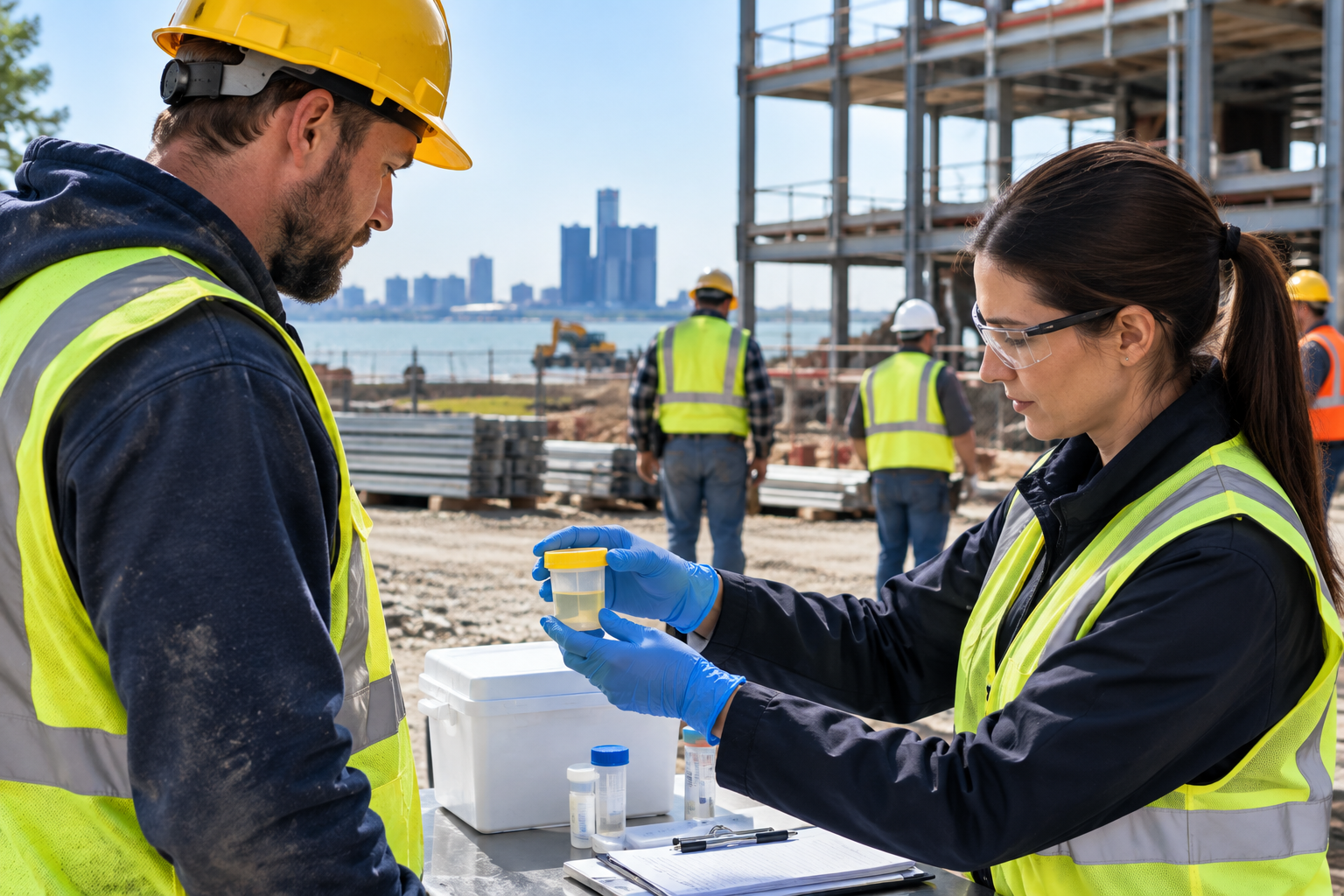
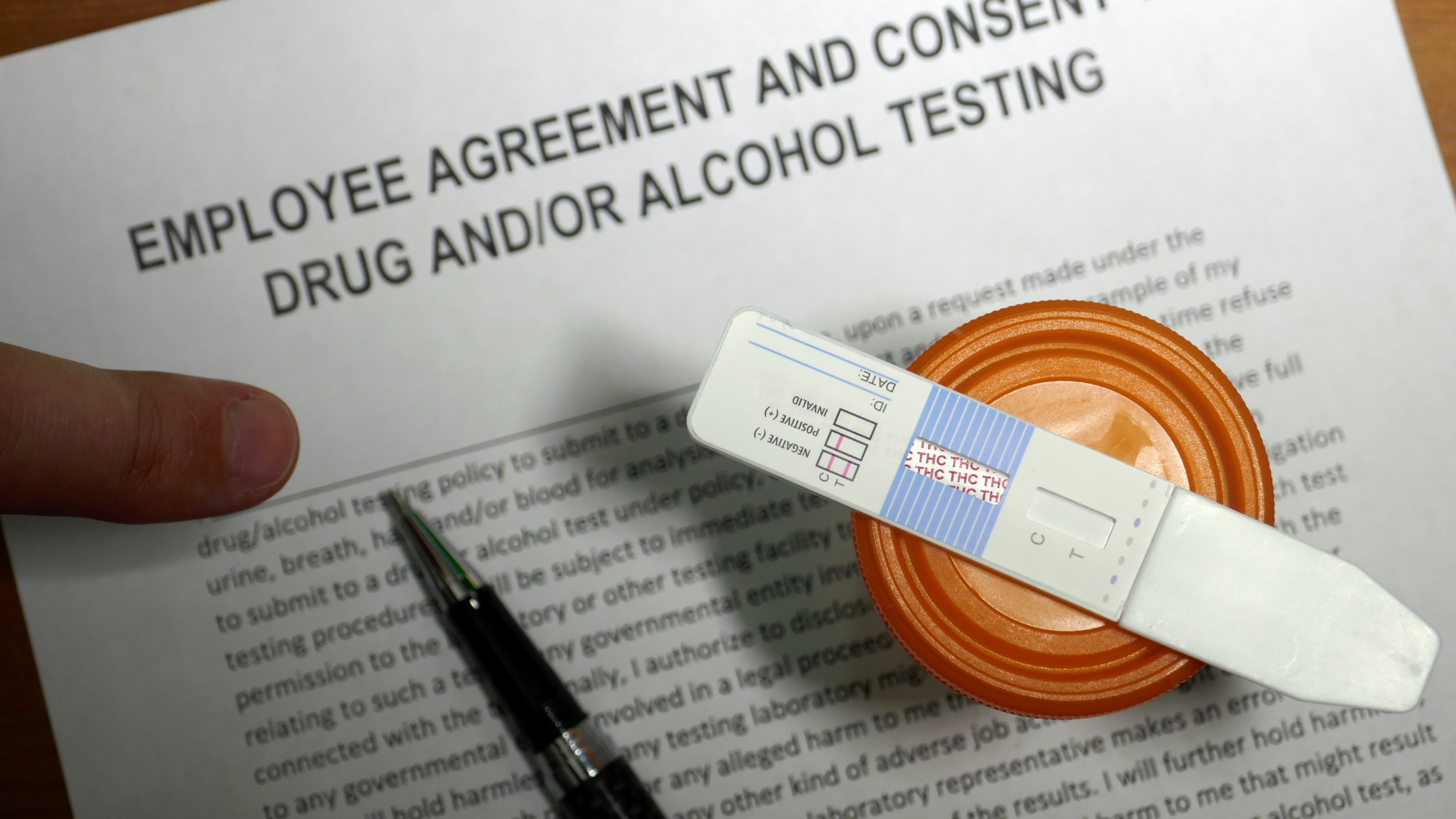
A positive drug or alcohol test can significantly impact an employee's career, especially in safety-sensitive industries. For many workers, however, a positive test does not necessarily mean the end of their employment. In certain situations, employees may have the opportunity to complete a return-to-duty process and regain eligibility to perform their job responsibilities.
Return-to-duty drug testing is a critical step in this process. It helps employers verify compliance, supports workplace safety, and allows employees to demonstrate their commitment to meeting workplace expectations.
At Blue Water DRP LLC, we provide professional return-to-duty drug and alcohol testing services for employers and employees throughout Michigan. Since 2009, we have helped individuals navigate testing requirements while assisting businesses in maintaining safe and compliant workplaces.
What Is Return-to-Duty Drug Testing?
Return-to-duty testing is a drug or alcohol test required before an employee can return to safety-sensitive job duties after a violation of a workplace substance abuse policy.
The test is designed to confirm that the employee is no longer using prohibited substances and is eligible to resume work responsibilities.
Return-to-duty testing commonly applies to:
- DOT-regulated employees
- Commercial drivers
- Transportation workers
- Employees who previously tested positive
- Employees who refused a required test
- Workers returning after substance abuse treatment
- Employees completing rehabilitation programs
The purpose of the test is to verify compliance and reduce workplace safety risks.
Why Return-to-Duty Testing Is Important
Employers have a responsibility to maintain safe working environments.
When an employee violates a drug or alcohol policy, questions may arise regarding:
- Workplace safety
- Employee reliability
- Regulatory compliance
- Public safety
- Company liability
Return-to-duty testing provides objective evidence that the employee has met specific requirements before returning to work.
For employees, successful completion of the process may provide an opportunity to continue employment and demonstrate accountability.
Who Is Required to Complete Return-to-Duty Testing?
Several situations may trigger return-to-duty requirements.
DOT-Regulated Employees
The Department of Transportation has strict regulations governing return-to-duty procedures.
DOT-covered workers include:
- Commercial truck drivers
- CDL holders
- Transit operators
- Aviation personnel
- Railroad employees
- Pipeline workers
A DOT employee who violates drug or alcohol regulations cannot simply return to work after a period of time. Federal regulations require a structured return-to-duty process.
Non-DOT Employees
Many employers maintain their own workplace substance abuse policies.
Employees may be required to complete return-to-duty testing after:
- A positive workplace drug test
- A positive alcohol test
- Refusal to submit to testing
- Violation of company policy
- Completion of a treatment program
Each employer establishes specific requirements based on company policy.
The DOT Return-to-Duty Process
The DOT return-to-duty process is highly structured and must be completed before a safety-sensitive employee can resume covered duties.
Step 1: Removal from Safety-Sensitive Duties
Following a verified violation, the employee must be immediately removed from safety-sensitive work responsibilities.
For commercial drivers, this means they cannot legally continue operating commercial vehicles.
Step 2: Substance Abuse Professional Evaluation
The employee must meet with a qualified Substance Abuse Professional (SAP).
The SAP evaluates:
- Substance use history
- Violation circumstances
- Treatment needs
- Education requirements
The SAP develops a plan designed to address the violation and support recovery.
Step 3: Completion of Recommended Program
The employee must successfully complete all recommendations.
Recommendations may include:
- Education courses
- Counseling
- Outpatient treatment
- Residential treatment
- Recovery programs
The specific requirements depend on the SAP's assessment.
Step 4: Follow-Up Evaluation
After completing recommendations, the employee returns to the SAP for reevaluation.
The SAP determines whether the employee is eligible to move forward in the return-to-duty process.
Step 5: Return-to-Duty Test
Once approved, the employee must successfully complete a return-to-duty drug or alcohol test.
The test must produce a negative result before safety-sensitive duties can resume.
Step 6: Follow-Up Testing Program
Even after returning to work, the employee remains subject to follow-up testing.
The SAP establishes the testing schedule.
Follow-up testing may continue for up to five years under DOT regulations.
What Happens During a Return-to-Duty Drug Test?
At Blue Water DRP LLC, return-to-duty testing follows strict procedures to ensure compliance and accuracy.
Identity Verification
The employee must present valid identification before testing.
Specimen Collection
Depending on requirements, testing may involve:
- Urine drug testing
- Breath alcohol testing
- Observed collections when required
DOT regulations often require observed collections during return-to-duty testing.
Chain of Custody Procedures
All specimens are collected and documented using strict chain-of-custody protocols.
This ensures:
- Sample integrity
- Accurate identification
- Legal defensibility
Laboratory Analysis
Samples are processed through certified laboratories using established testing procedures.
Result Reporting
Results are reported to authorized parties according to program requirements.
Observed Collections and Return-to-Duty Testing
Employees are often surprised to learn that observed collections may be required.
An observed collection means a trained collector directly observes the sample collection process.
Observed testing helps prevent:
- Sample substitution
- Adulteration
- Tampering
DOT return-to-duty testing commonly requires observed collections to ensure compliance.
What Happens If the Return-to-Duty Test Is Positive?
A positive return-to-duty test creates additional complications.
The employee may:
- Remain ineligible for safety-sensitive work
- Require further evaluation
- Need additional treatment
- Restart portions of the return-to-duty process
For DOT employees, a second positive result often extends the process significantly.
The goal is to ensure that employees return to work only when they can safely perform their responsibilities.
Follow-Up Testing Requirements
Many employees assume the process ends after a negative return-to-duty test.
However, follow-up testing is often required.
Follow-up testing differs from random testing because:
- It is specifically assigned to the employee
- The employee cannot opt out
- Testing schedules are determined by program requirements
For DOT employees, the SAP establishes follow-up testing frequency.
The employee may be required to complete multiple unannounced tests over several years.
Employer Responsibilities During the Return-to-Duty Process
Employers play an important role in maintaining compliance.
Responsibilities often include:
- Removing employees from safety-sensitive duties
- Following workplace policies
- Maintaining documentation
- Coordinating testing
- Protecting confidentiality
- Monitoring compliance
Employers should consistently apply workplace policies to all employees.
Employee Tips for Successfully Completing the Process
Employees can improve their chances of a successful return by:
Following All Requirements
Complete every recommendation made by the SAP, treatment provider, or employer.
Maintaining Documentation
Keep records of:
- Treatment completion
- Counseling attendance
- Program participation
- Testing results
Communicating Promptly
Respond quickly to requests from:
- Employers
- Testing providers
- SAPs
- Case managers
Avoiding Future Violations
Continued compliance is critical for maintaining employment and professional credentials.
Frequently Asked Questions
Can I return to work immediately after a positive test?
No. Most programs require completion of specific steps before returning to safety-sensitive duties.
Do all positive tests require a return-to-duty process?
Requirements depend on employer policies and whether DOT regulations apply.
How long does the process take?
The timeline varies based on treatment recommendations, evaluations, and individual circumstances.
Can I refuse a return-to-duty test?
Refusal generally prevents return to safety-sensitive work and may affect employment status.
Will I be tested again after returning to work?
In many cases, yes. Follow-up testing is often required, especially under DOT regulations.
Why Choose Blue Water DRP LLC?
Since 2009, Blue Water DRP LLC has provided trusted drug and alcohol testing services throughout Michigan.
We assist with:
- Return-to-duty testing
- DOT testing
- Follow-up testing
- Observed collections
- Breath alcohol testing
- Employer compliance programs
- Mobile testing services
Our experienced staff understands the importance of accurate testing and regulatory compliance.
Serving Employees and Employers Throughout Michigan
Blue Water DRP LLC proudly serves:
- Port Huron
- Fort Gratiot
- Marysville
- St. Clair
- St. Clair County
- The Thumb Region
- All of Michigan
Whether you are an employee completing a return-to-duty process or an employer managing workplace compliance, we are here to help.
Contact Blue Water DRP LLC
Blue Water DRP LLC
1824 Pine Grove Avenue
Port Huron, Michigan 48060
Business Hours
Monday through Friday: 6:00 AM – 6:00 PM
Saturday and Sunday: 6:00 AM – 9:00 AM
DOT Testing Hours
Monday through Friday: 6:00 AM – 3:00 PM
Excluding Holidays
Phone: (810) 966-0006
Email: bluewaterdrp@gmail.com
Blue Water DRP LLC proudly provides professional return-to-duty drug and alcohol testing services designed to help Michigan employers and employees maintain compliance, workplace safety, and regulatory standards.