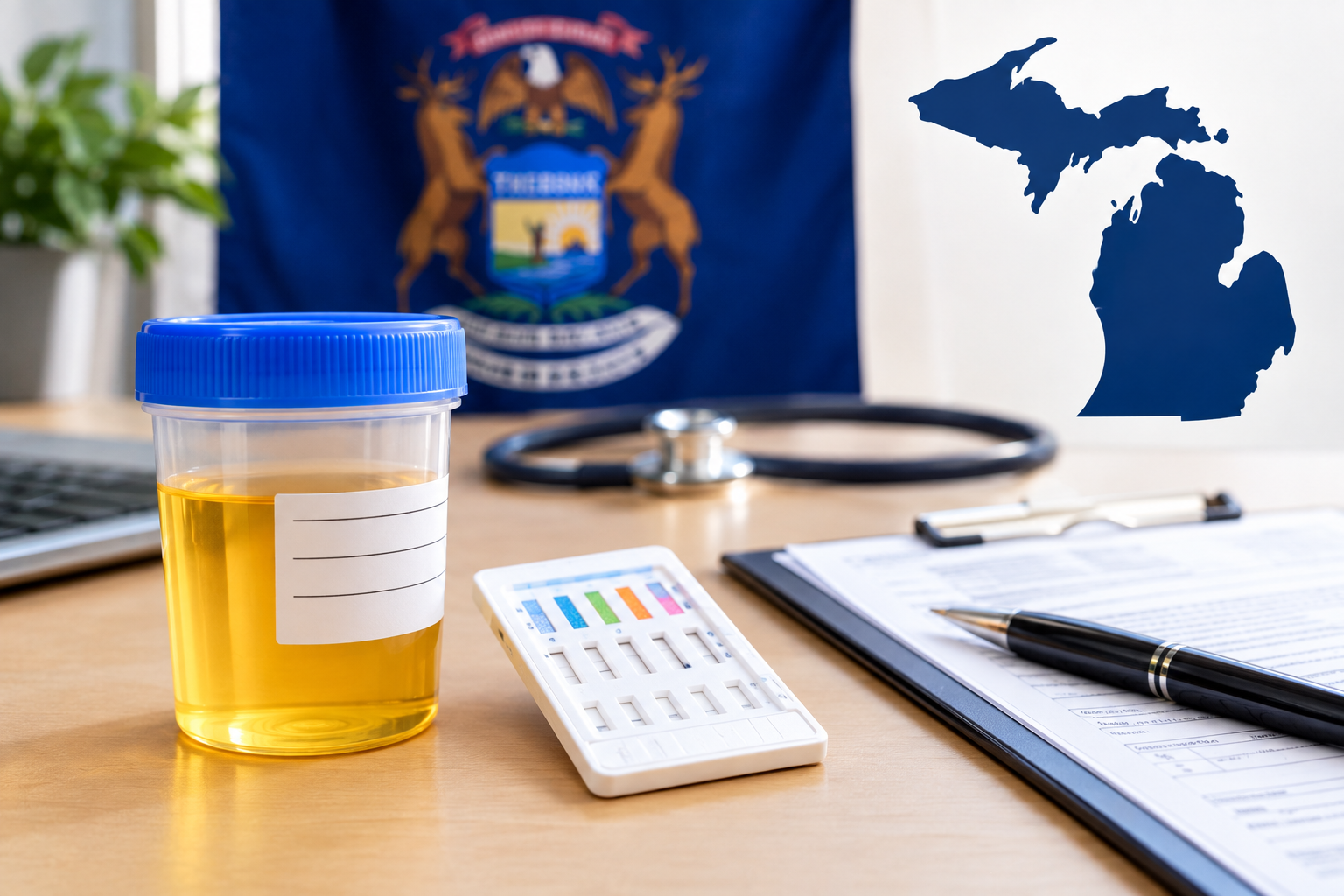
Workplace accidents can happen in any industry, regardless of how strong a company's safety program may be. When an accident occurs, employers must determine what happened, identify contributing factors, and take steps to prevent similar incidents in the future. One important tool many organizations use during workplace investigations is post-accident drug and alcohol testing.
Post-accident testing helps employers determine whether drugs or alcohol may have contributed to a workplace incident. It also supports workplace safety programs, helps businesses meet regulatory requirements, and provides documentation that may be necessary for insurance claims, legal proceedings, and internal investigations.
At Blue Water DRP LLC, we provide professional post-accident drug and alcohol testing services for employers throughout Michigan. Since 2009, we have worked with businesses of all sizes to provide fast, reliable testing that supports workplace compliance and employee safety.
What Is Post-Accident Drug Testing?
Post-accident drug testing refers to testing performed after a workplace incident, injury, vehicle accident, or other event that results in property damage or safety concerns.
The purpose of post-accident testing is not to assign blame automatically. Instead, it is designed to determine whether drug or alcohol use may have been a contributing factor in the incident.
Testing is often conducted immediately following:
- Workplace injuries
- Vehicle accidents
- Equipment-related incidents
- Property damage events
- Near-miss incidents involving significant risk
- OSHA-recordable accidents
- DOT-regulated transportation accidents
By gathering objective information, employers can make informed decisions regarding workplace safety, employee fitness for duty, and future risk reduction.
Why Post-Accident Drug Testing Matters
A workplace accident can have significant consequences for employees, employers, and customers. Post-accident testing provides valuable information that helps businesses respond appropriately.
Promotes Workplace Safety
Understanding whether impairment contributed to an accident helps employers identify hazards and implement corrective actions.
When substance use is involved, employers can address the issue before another incident occurs.
Supports Accident Investigations
Drug and alcohol testing provides factual information during an investigation.
Rather than relying solely on witness statements or assumptions, employers can use test results as part of a comprehensive review of the incident.
Protects Employees
Post-accident testing protects workers by helping ensure that safety concerns are addressed fairly and consistently.
A structured testing policy demonstrates that all employees are held to the same standards.
Reduces Liability
Accidents involving drugs or alcohol can expose employers to significant legal and financial risks.
Testing helps document that the employer followed established procedures and took reasonable steps to investigate the incident.
Supports Insurance and Workers' Compensation Claims
Insurance carriers and workers' compensation programs may require documentation regarding workplace accidents.
Post-accident testing can become an important part of the overall claim file.
When Should Employers Require Post-Accident Testing?
Not every workplace incident requires drug testing.
Employers should establish clear criteria within their written workplace policy outlining when testing will occur.
Common situations that may justify post-accident testing include:
Employee Injuries Requiring Medical Treatment
If an employee suffers an injury that requires professional medical attention beyond basic first aid, testing may be appropriate.
Examples include:
- Fractures
- Lacerations requiring stitches
- Concussions
- Hospitalization
- Serious burns
Vehicle Accidents
Companies that operate vehicles often require testing after:
- Collisions involving company vehicles
- Accidents resulting in injuries
- Incidents involving significant property damage
- DOT-regulated transportation accidents
Equipment or Machinery Accidents
Businesses using forklifts, cranes, manufacturing equipment, or heavy machinery may require testing following incidents involving:
- Equipment damage
- Employee injury
- Safety violations
Property Damage
Substantial damage to company property, customer property, or equipment may trigger testing requirements.
Near-Miss Incidents
Some employers conduct testing after serious near-miss events that could have resulted in injury or significant damage.
These incidents often reveal safety concerns that deserve investigation.
DOT Post-Accident Testing Requirements
Employers regulated by the Department of Transportation must follow specific federal requirements regarding post-accident testing.
For commercial motor vehicle drivers, testing may be required when:
- A fatality occurs
- An individual receives medical treatment away from the scene
- A vehicle is towed due to disabling damage
- The commercial driver receives a citation related to the accident
DOT regulations also establish strict testing timeframes.
Alcohol Testing Requirements
Alcohol testing should occur as soon as possible and generally within:
- 2 hours whenever practical
- No later than 8 hours after the accident
Drug Testing Requirements
Drug testing should be completed:
- As soon as possible
- Within 32 hours following the accident
Failure to meet these deadlines may create compliance issues for DOT-regulated employers.
Blue Water DRP LLC provides DOT-compliant post-accident testing services to help transportation companies meet federal requirements.
Creating a Fair Post-Accident Testing Policy
A written policy is essential for ensuring consistency and reducing legal risks.
Your policy should clearly define:
What Incidents Trigger Testing
Employees should understand exactly when testing may occur.
Testing Procedures
Outline:
- Notification procedures
- Collection methods
- Documentation requirements
- Transportation arrangements
Consequences of Refusal
Employees should understand the consequences of refusing a required test.
In many cases, refusal is treated similarly to a positive result.
Confidentiality Requirements
Explain how results will be protected and who may access testing information.
Compliance Standards
Address any applicable federal, state, or industry-specific requirements.
Having a written policy helps employers apply testing consistently and fairly.
Types of Post-Accident Testing Available
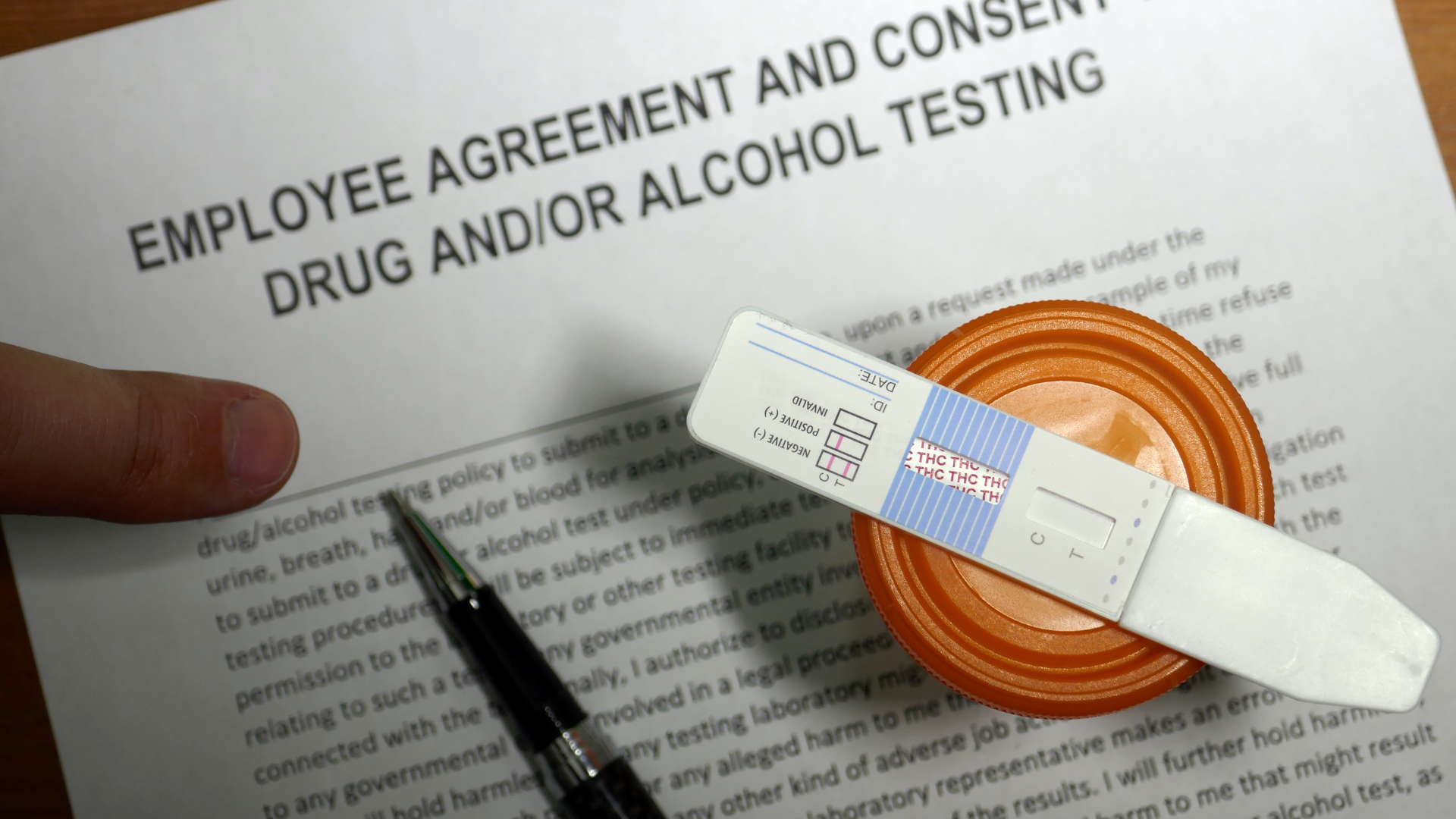
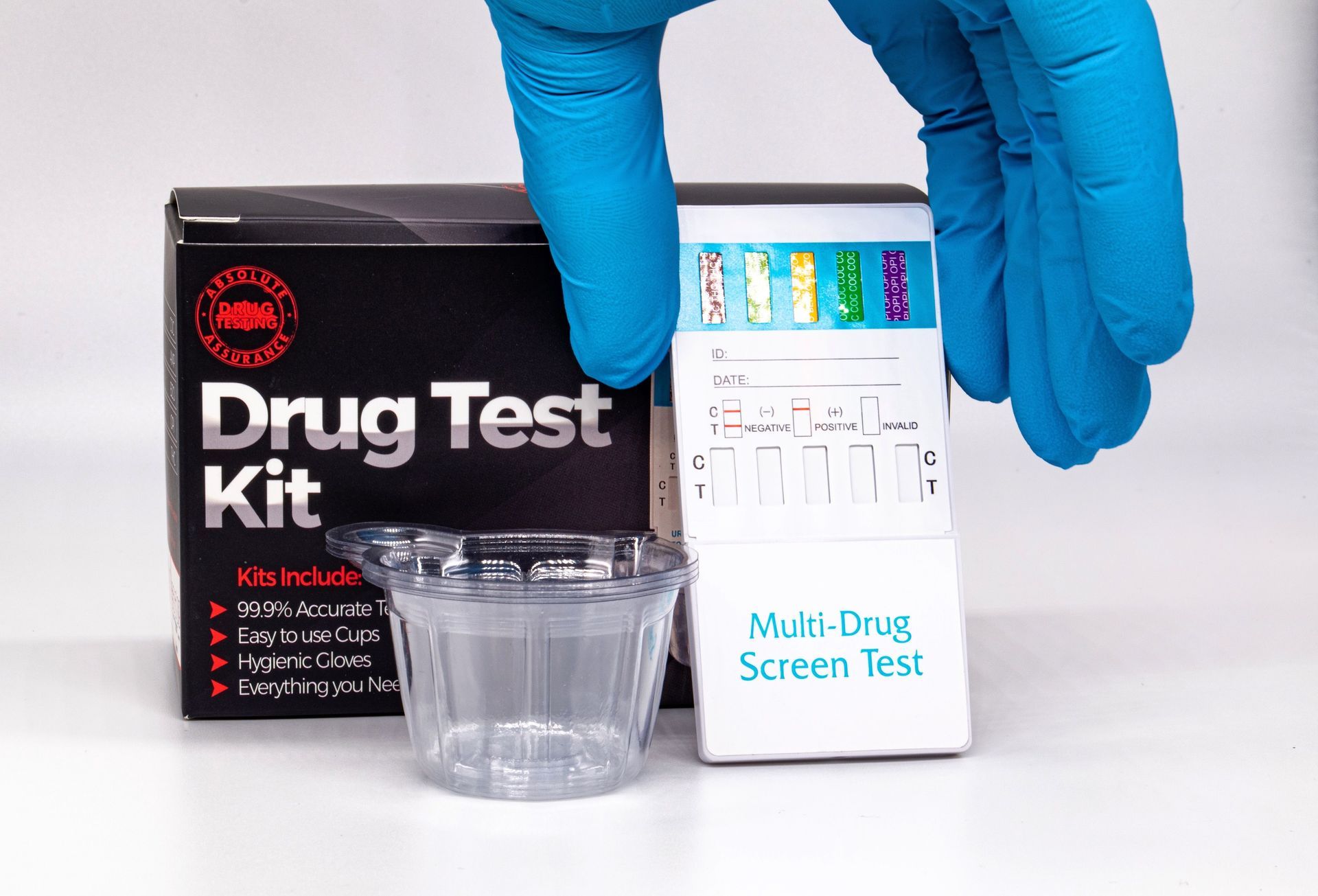
Urine Drug Testing
Urine testing is the most common post-accident drug testing method.
Benefits include:
- Reliable detection of recent drug use
- Cost-effective testing
- DOT compliance
- Wide acceptance by employers and courts
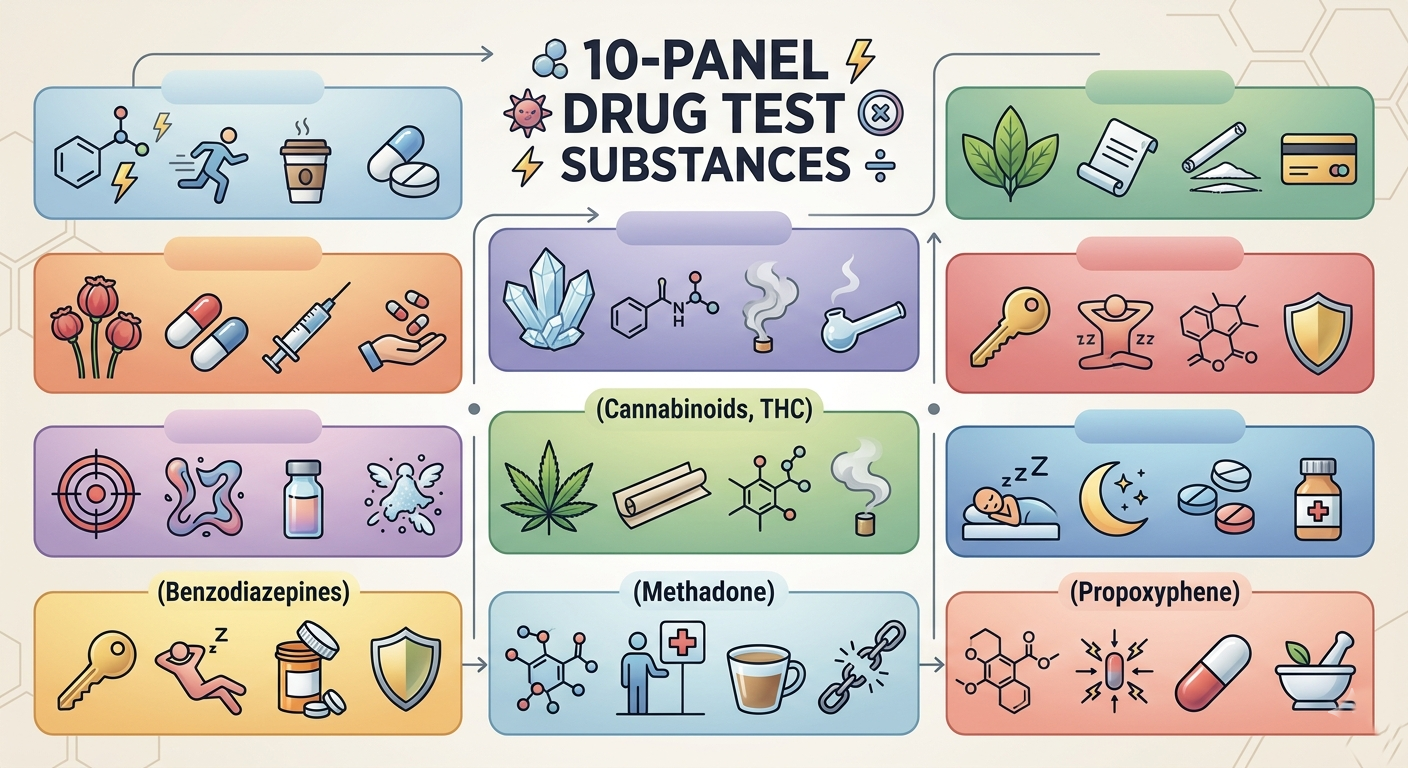
Substances commonly tested include:
- Marijuana (THC)
- Cocaine
- Opiates
- Amphetamines
- PCP
Expanded panels may include additional substances.
Breath Alcohol Testing
Alcohol testing measures current impairment.
Benefits include:
- Immediate results
- DOT compliance
- Accurate assessment of alcohol use near the time of the accident
This test is frequently paired with urine drug testing during workplace investigations.
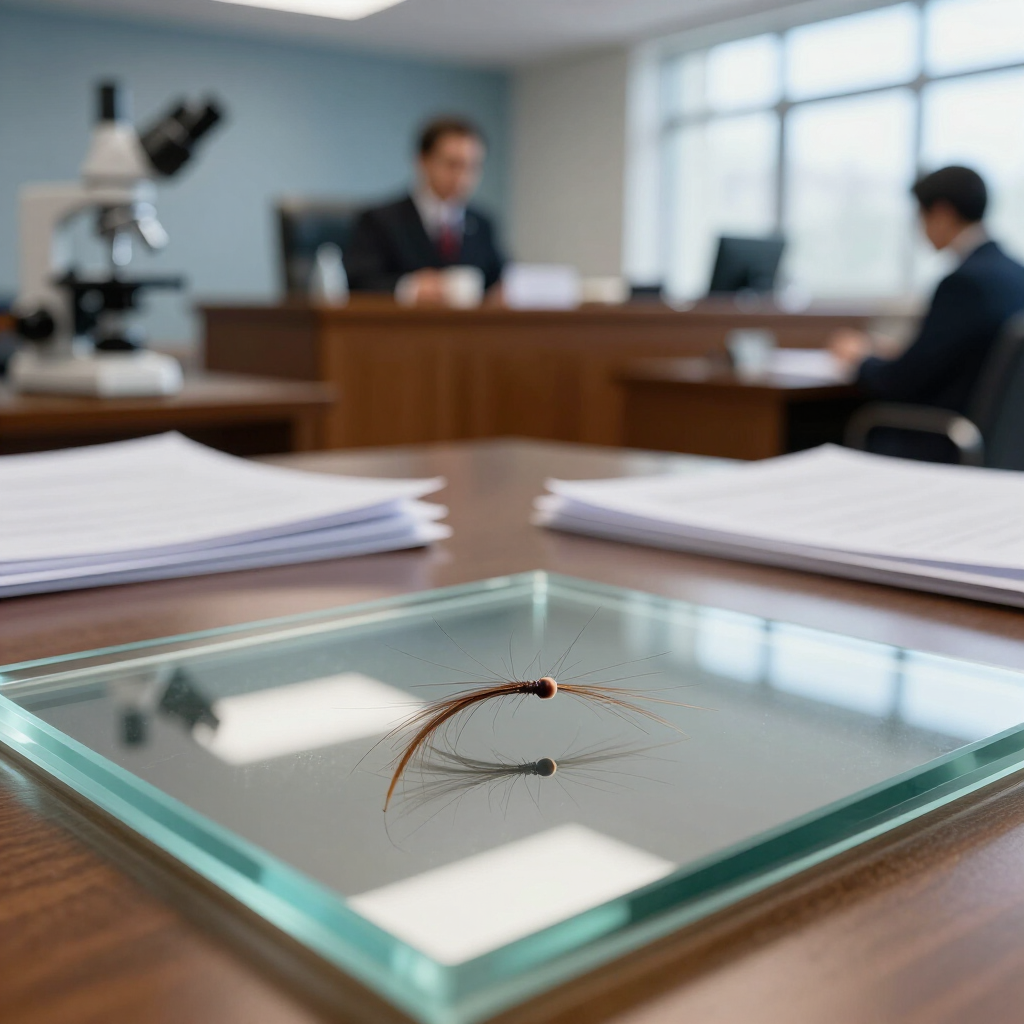
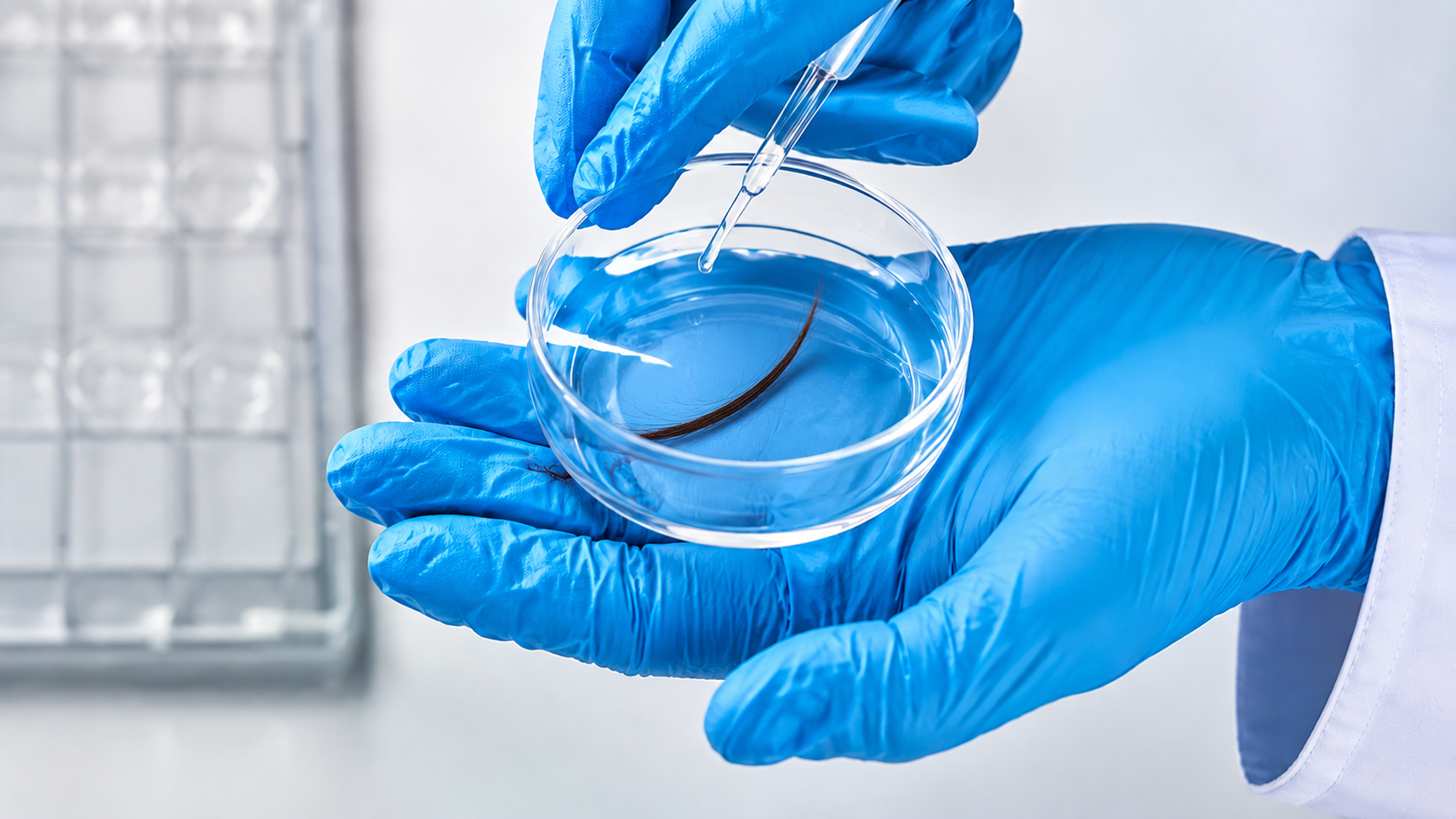
Hair Follicle Testing
In certain situations, employers may request hair testing to evaluate longer-term substance use patterns.
Hair testing offers:
- Detection windows up to 90 days
- Strong resistance to tampering
- Comprehensive substance use history
Mobile Post-Accident Testing Services
After an accident, transporting employees to a testing facility may not always be practical.
Mobile testing services can provide:
- On-site collections
- Faster response times
- Reduced disruption
- Improved compliance with testing deadlines
Blue Water DRP LLC offers mobile testing services throughout Michigan for employers who need rapid response capabilities.
Common Employer Mistakes After an Accident
Waiting Too Long to Test
Drug and alcohol levels change over time.
Delays can affect results and may compromise compliance requirements.
Applying Testing Inconsistently
Employers should follow written policies consistently to avoid claims of unfair treatment.
Failing to Document the Incident
Accurate documentation is critical.
Employers should record:
- Time of incident
- Witness statements
- Injury details
- Testing timelines
Using Unqualified Providers
Professional testing providers help ensure proper chain-of-custody procedures and legally defensible results.
Frequently Asked Questions
Is post-accident drug testing required by law in Michigan?
Not always. Requirements depend on employer policies, industry regulations, and whether DOT rules apply.
Can an employee refuse a post-accident test?
Yes, but refusal may result in disciplinary action according to company policy and may be treated similarly to a positive result.
How quickly should testing occur?
Testing should occur as soon as possible after the incident to preserve accuracy and meet regulatory requirements.
Does a positive test automatically mean the employee caused the accident?
No. A positive result is only one factor considered during an accident investigation.
Can small businesses implement post-accident testing?
Absolutely. Businesses of all sizes can benefit from a structured post-accident testing policy.
Supporting Michigan Employers Since 2009
Blue Water DRP LLC has helped employers throughout Michigan maintain safe workplaces through professional drug and alcohol testing services.
Our employer services include:
- Post-accident testing
- DOT-compliant testing
- Random testing programs
- Reasonable suspicion testing
- Pre-employment screening
- Return-to-duty testing
- Hair follicle testing
- Breath alcohol testing
- Mobile testing services
We understand the urgency that follows a workplace accident and strive to provide fast, reliable testing solutions when employers need them most.
Contact Blue Water DRP LLC
Blue Water DRP LLC
1824 Pine Grove Avenue
Port Huron, Michigan 48060
Business Hours
Monday through Friday: 6:00 AM – 6:00 PM
Saturday and Sunday: 6:00 AM – 9:00 AM
DOT Testing Hours
Monday through Friday: 6:00 AM – 3:00 PM
Excluding Holidays
Phone: (810) 966-0006
Email: bluewaterdrp@gmail.com
Blue Water DRP LLC proudly serves employers throughout Port Huron, St. Clair County, and all of Michigan with professional drug and alcohol testing services designed to support workplace safety, compliance, and peace of mind.