Child custody disputes can be among the most emotional and challenging legal situations a parent will face. When concerns about substance abuse arise, Michigan courts often use drug and alcohol testing as a tool to help determine what arrangement is in the best interests of the child.
Whether you are seeking custody, responding to allegations, complying with a court order, or working toward reunification with your child, understanding how drug testing affects custody cases can help you prepare and navigate the process with confidence.
At Blue Water DRP LLC, we have provided court-compliant drug and alcohol testing services throughout Michigan since 2009. Our team works with parents, attorneys, courts, and child welfare agencies to provide accurate, confidential testing that supports informed legal decisions.
Why Courts Order Drug Testing in Child Custody Cases
Michigan family courts are responsible for protecting the safety and well-being of children. When allegations of drug or alcohol abuse arise, judges may order testing to determine whether substance use could negatively impact a parent's ability to provide a safe and stable environment.
Drug testing is not automatically required in every custody case. However, testing may be ordered when there is evidence or concern regarding:
- Illegal drug use
- Prescription medication misuse
- Alcohol abuse
- Previous substance-related arrests
- Prior child neglect investigations
- Concerns raised by the other parent
- Involvement with Michigan Department of Health and Human Services (DHS)
- Previous failed drug tests
The court's primary goal is to ensure the child's safety while making decisions regarding custody, parenting time, and visitation arrangements.
How Drug Testing Can Impact Custody Decisions
Drug testing results can significantly influence family court proceedings.
A judge may consider test results when determining:
- Legal custody
- Physical custody
- Parenting time schedules
- Supervised visitation requirements
- Reunification plans
- Compliance with court orders
Negative drug test results may help demonstrate a parent's commitment to maintaining a safe environment for their child.
Positive test results may raise concerns about judgment, stability, and the parent's ability to meet the child's daily needs.
However, a positive result does not automatically result in loss of custody. Courts typically examine the full circumstances of each case, including treatment efforts, compliance with court orders, and the overall well-being of the child.
Common Types of Drug Testing Used in Custody Cases
Different testing methods may be ordered depending on the circumstances of the case.
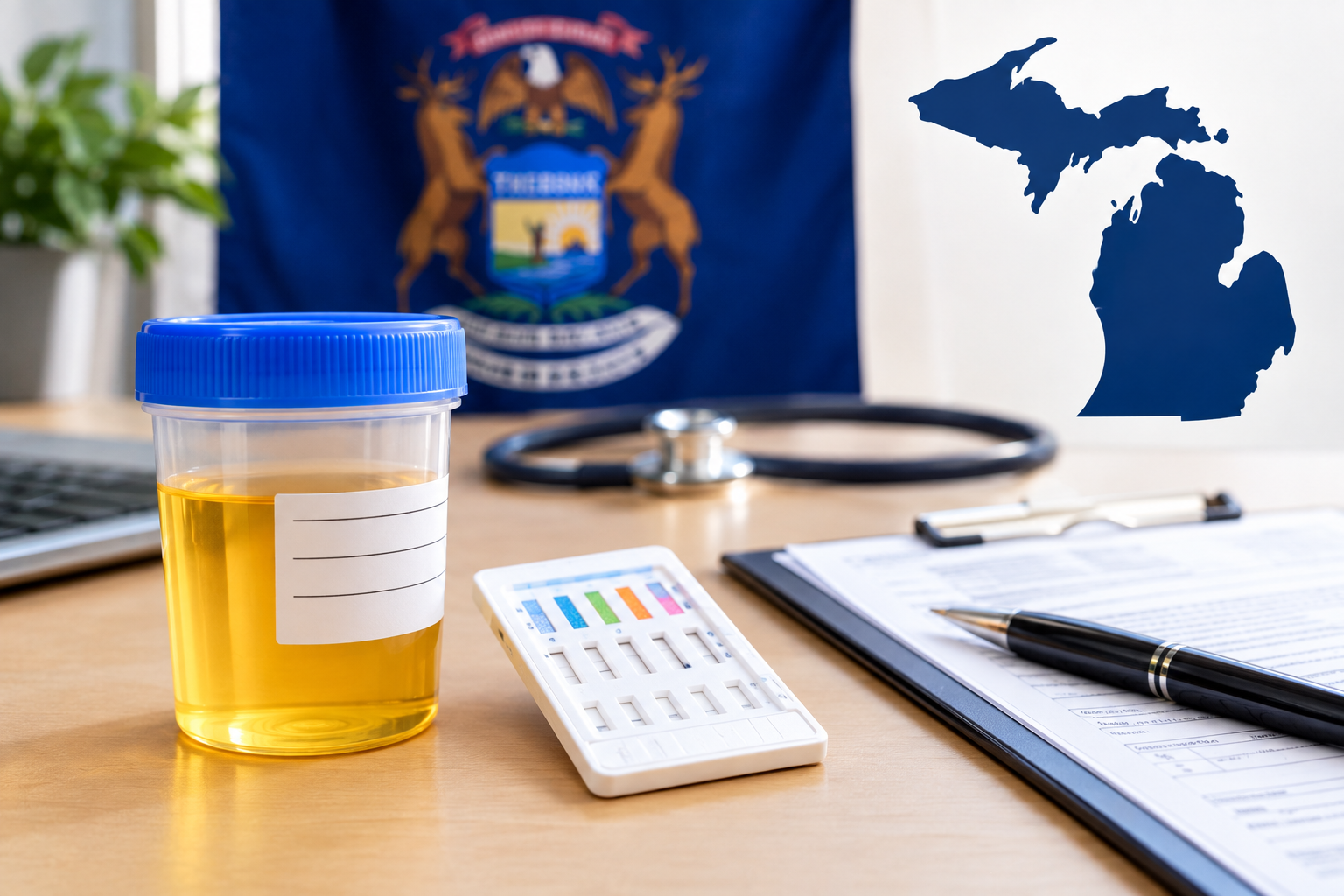
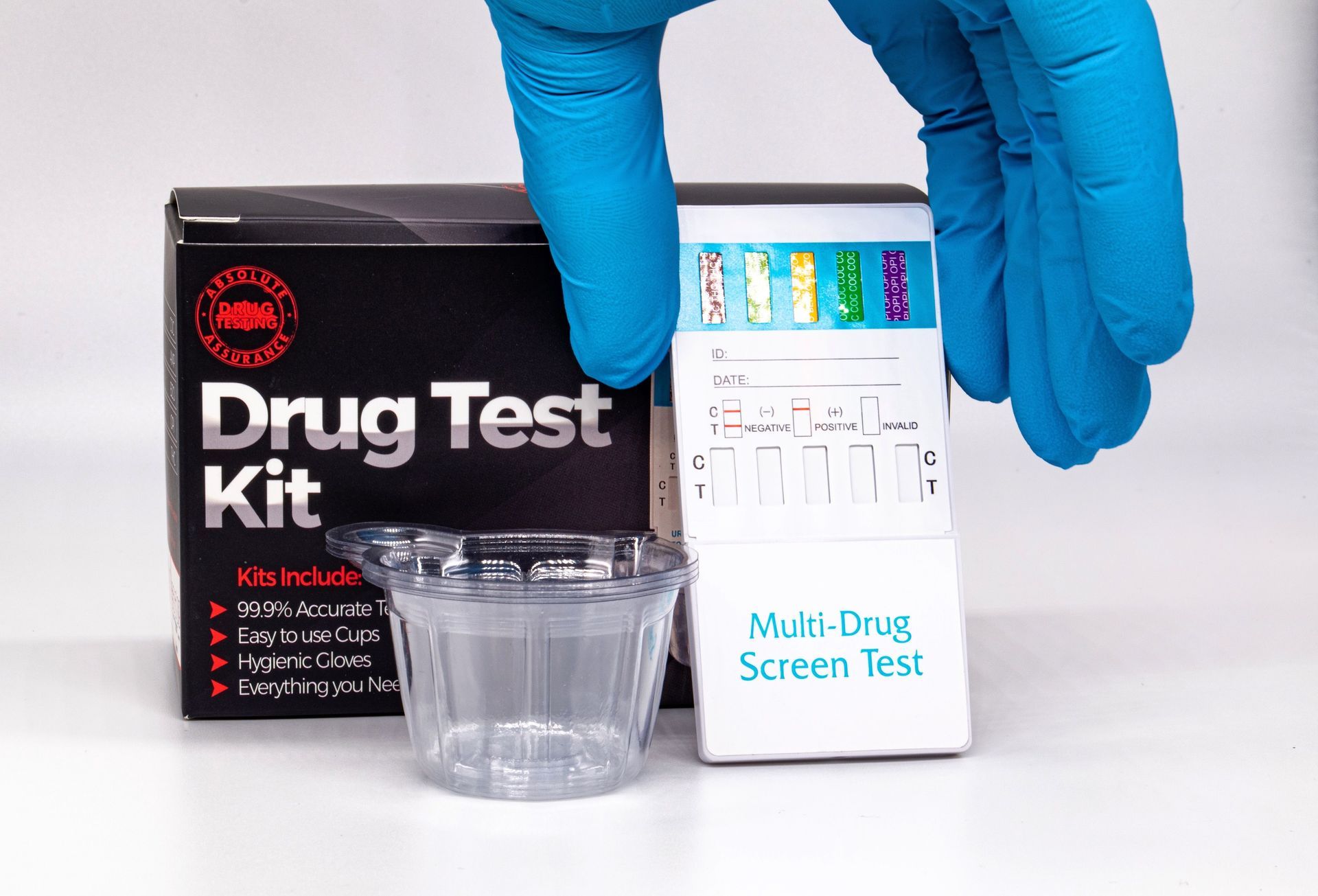
Urine Drug Testing
Urine testing is the most common form of drug testing used in custody cases.
Benefits include:
- Fast collection process
- Reliable detection of recent drug use
- Affordable testing option
- Widely accepted by courts
Urine testing can detect many substances used within the previous several days, depending on the drug involved.
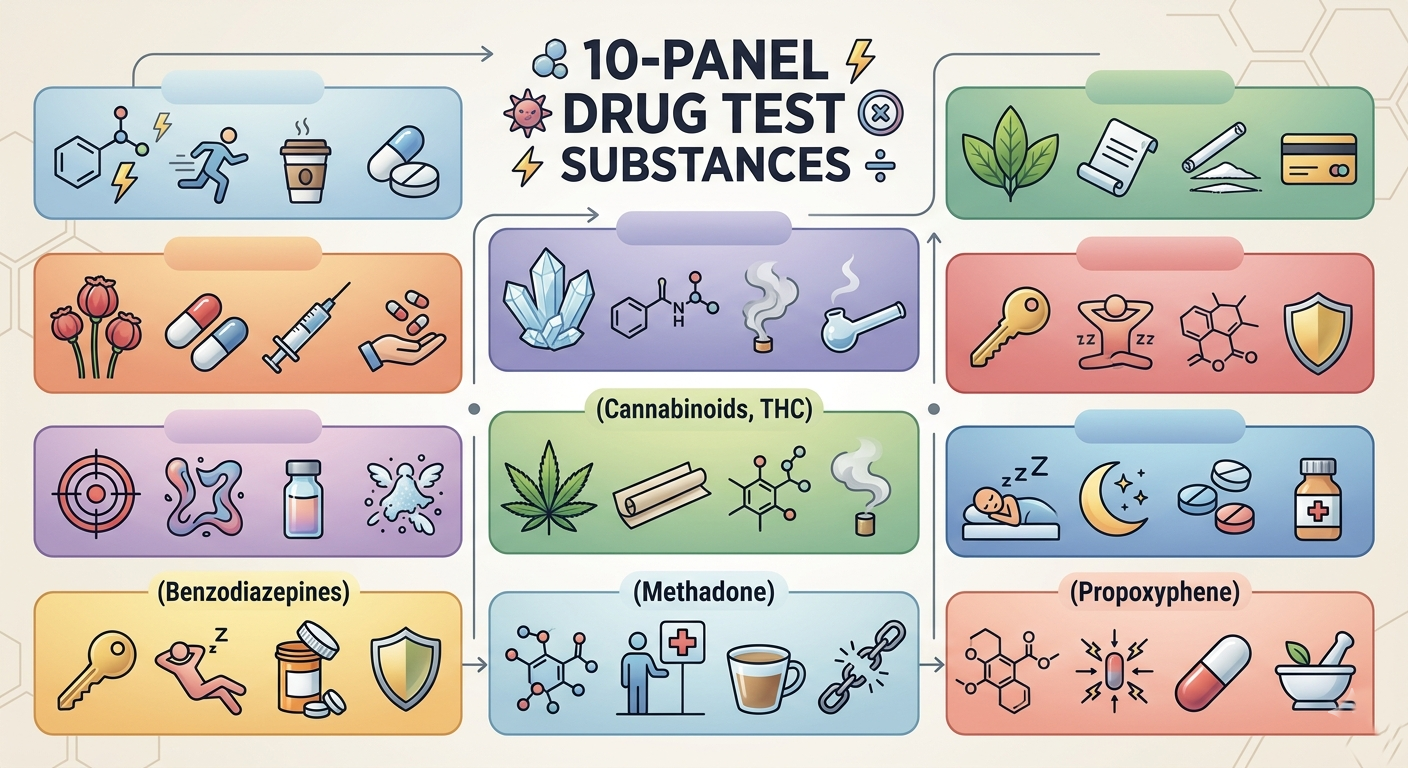
Common substances screened include:
- Marijuana (THC)
- Cocaine
- Opiates
- Amphetamines
- PCP
Expanded panels may also include additional prescription medications and synthetic substances.
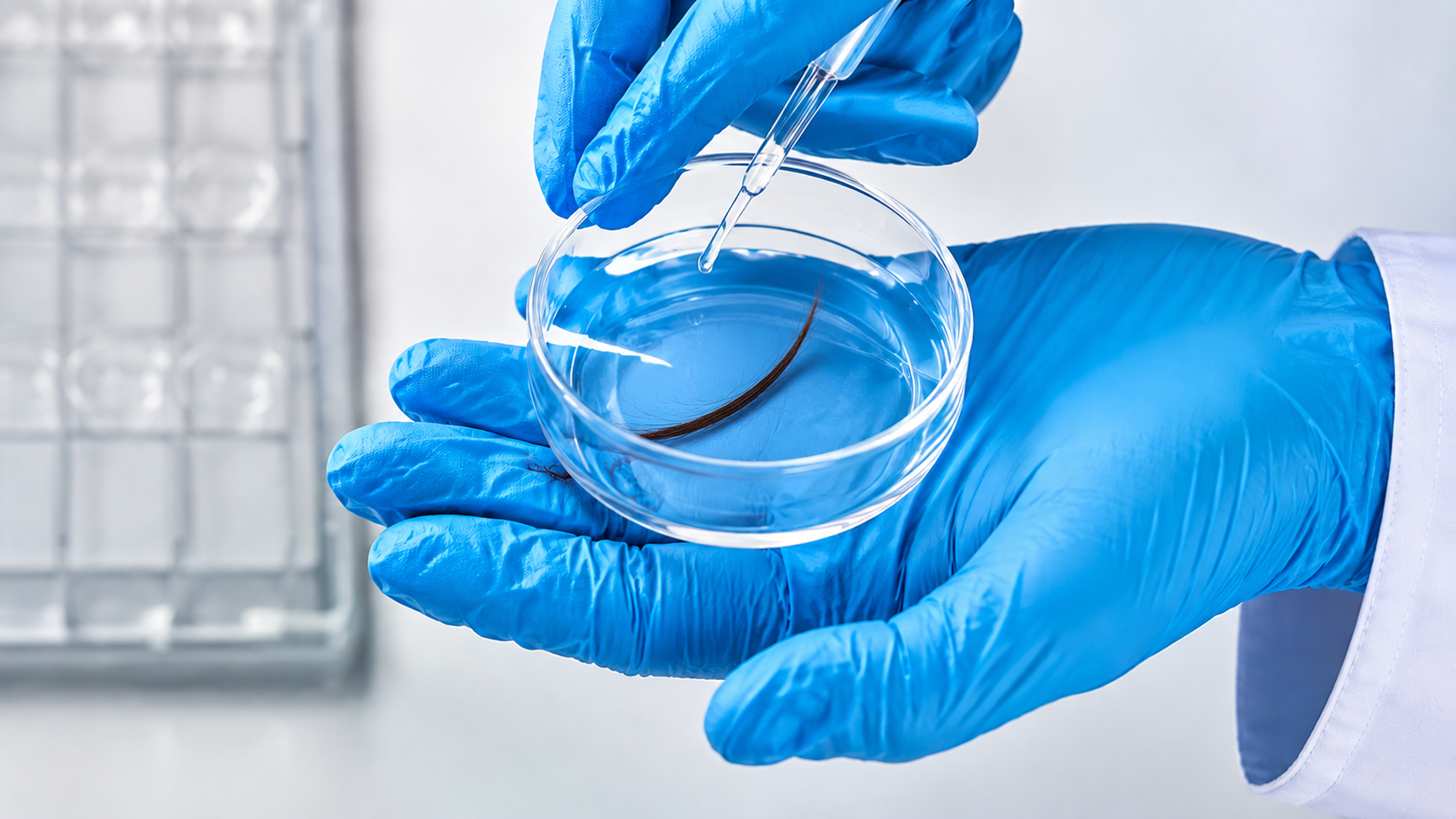
Hair Follicle Drug Testing
Hair follicle testing provides a longer detection window than urine testing.
- Benefits include:
- Up to 90 days of detection
- Difficult to tamper with
- Useful for identifying patterns of substance use
- Frequently requested by courts and DHS
Because hair testing provides a broader history of drug use, it is often used when long-term behavior is relevant to custody decisions.
Alcohol Testing
Alcohol abuse concerns may lead to alcohol testing requirements.
Common testing methods include:
- Breath alcohol testing
- EtG urine testing
- Hair alcohol testing
Alcohol testing may be ordered when a parent has:
- Prior DUI convictions
- Alcohol-related arrests
- Documented substance abuse history
- Concerns raised during custody proceedings
Random Drug Testing Programs in Custody Cases
In some situations, courts may require ongoing random testing.
Random testing allows the court to monitor long-term compliance and sobriety.
A parent may be required to:
- Remain available for testing
- Complete testing within a specific timeframe
- Submit to unannounced screenings
- Maintain continuous compliance over months or years
Consistent negative results can strengthen a parent's position during custody reviews and reunification efforts.
Drug Testing and DHS Investigations
Drug testing is frequently used in cases involving Michigan's Department of Health and Human Services.
DHS may request testing when investigating:
- Child neglect allegations
- Unsafe living conditions
- Reports of parental substance abuse
- Foster care placement decisions
- Reunification plans
Testing helps caseworkers assess risk factors and determine whether children can safely remain in or return to a parent's home.
In many situations, successful completion of a testing program is an important step toward family reunification.
What Happens If You Test Positive?
A positive test result does not automatically determine the outcome of a custody case.
Courts often evaluate several factors, including:
- The substance detected
- Frequency of use
- Severity of the issue
- Whether treatment is being pursued
- Compliance with court orders
- Overall parenting ability
Judges generally focus on whether substance use creates a safety risk for the child.
Parents who proactively participate in treatment, counseling, or recovery programs may demonstrate a commitment to addressing concerns and improving family stability.
Can Prescription Medications Affect Your Results?
Yes. Certain prescription medications may appear on a drug test.
Common examples include:
- Pain medications
- Anxiety medications
- ADHD medications
- Sleep medications
If you are taking a prescribed medication, it is important to provide documentation when requested.
A Medical Review Officer (MRO) may review prescription information before finalizing certain test results.
Legitimate prescription use does not automatically indicate substance abuse, but courts may still consider how medications affect parenting responsibilities.
The Importance of Chain of Custody
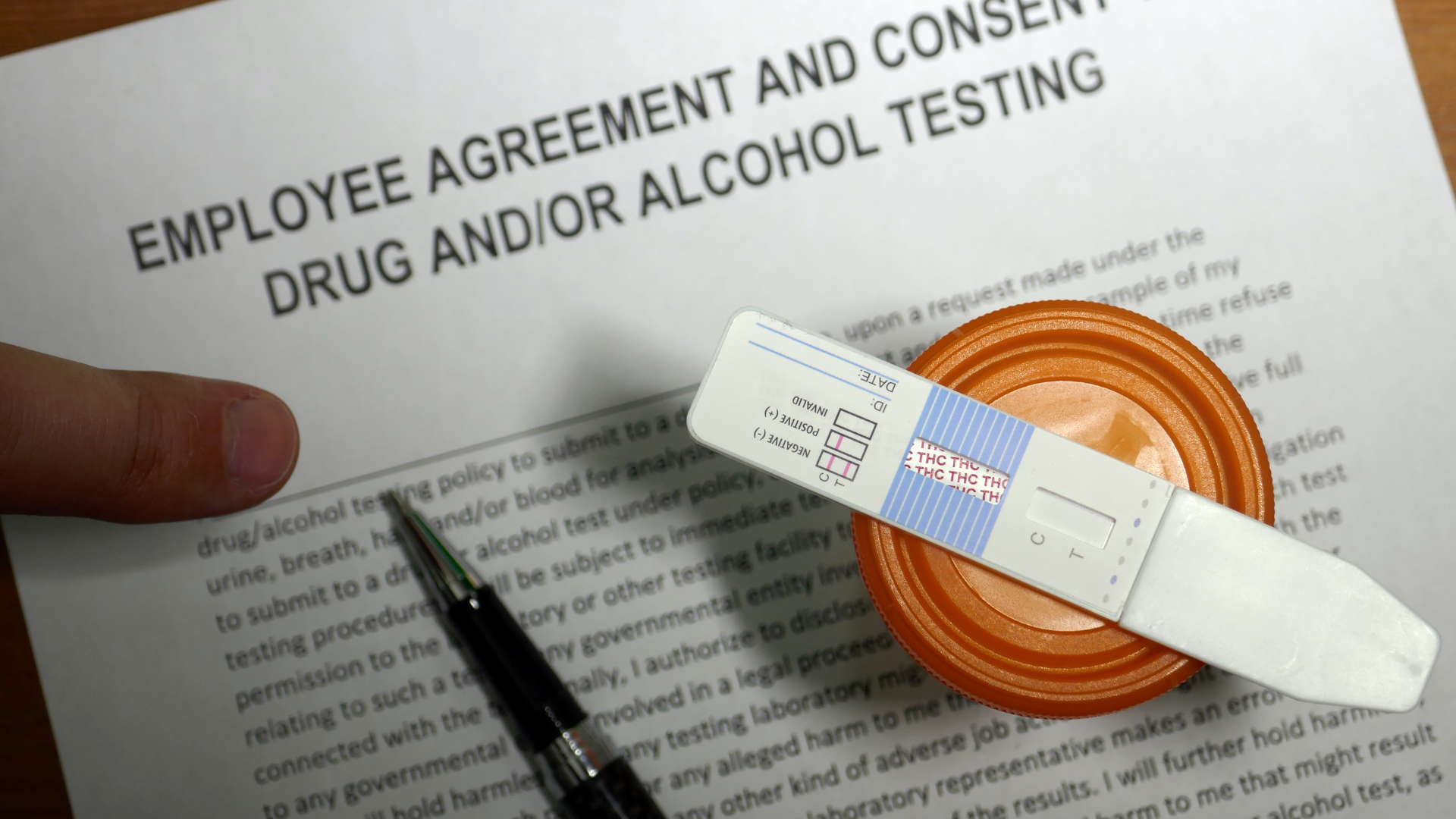
For custody cases, chain-of-custody procedures are critical.
Chain of custody refers to the documented process used to:
- Verify identity
- Track sample collection
- Secure specimens
- Document handling
- Protect result integrity
Proper chain-of-custody procedures help ensure results are legally defensible and accepted by courts.
At Blue Water DRP LLC, all court-related testing follows strict chain-of-custody standards.
Tips for Parents Facing Court-Ordered Drug Testing
Follow Instructions Carefully
Read court orders thoroughly and understand testing deadlines.
Missing a required test may be viewed negatively by the court.
Arrive Prepared
Bring:
- Valid photo identification
- Court paperwork
- Payment information if required
Be Honest About Medications
Provide information regarding any prescriptions that may affect results.
Do Not Attempt to Alter Results
Modern testing methods are designed to detect tampering, dilution, and substitution attempts.
Attempting to manipulate a test may create additional legal complications.
Maintain Consistency
If ongoing testing is required, consistently complying with testing requirements demonstrates responsibility and accountability.
Frequently Asked Questions
Can a judge order me to take a drug test during a custody case?
Yes. If substance abuse concerns are raised, a judge may order testing to help evaluate the child's best interests.
What type of drug test is most common in custody cases?
Urine drug testing is most common, although hair follicle testing is frequently used when a longer detection window is needed.
How long does hair testing go back?
Most hair follicle tests provide approximately 90 days of substance use history.
Can I refuse a court-ordered drug test?
You may refuse, but doing so can negatively affect your custody case and may be interpreted as non-compliance by the court.
Will my test results remain confidential?
Yes. Results are typically shared only with authorized parties such as the court, attorneys, DHS caseworkers, or designated professionals.
Trusted Drug Testing for Michigan Child Custody Cases
Since 2009, Blue Water DRP LLC has helped parents, attorneys, courts, and child welfare agencies throughout Michigan obtain reliable and professional drug testing services.
We understand that custody matters are deeply personal and often stressful. Our team works hard to provide accurate testing, prompt results, and respectful service during every step of the process.
Our testing services include:
- Urine drug testing
- Hair follicle testing
- Alcohol testing
- Random testing programs
- Court-ordered testing
- DHS-related testing
- Foster care testing
- Mobile testing services
We proudly serve clients throughout Port Huron, St. Clair County, and communities across Michigan.
Contact Blue Water DRP LLC
Blue Water DRP LLC
1824 Pine Grove Avenue
Port Huron, Michigan 48060
Business Hours
Monday through Friday: 6:00 AM – 6:00 PM
Saturday and Sunday: 6:00 AM – 9:00 AM
DOT Testing Hours
Monday through Friday: 6:00 AM – 3:00 PM
Excluding Holidays
Phone: (810) 966-0006
Email: bluewaterdrp@gmail.com
Blue Water DRP LLC provides confidential, court-compliant drug and alcohol testing services designed to support Michigan families, legal professionals, and child welfare agencies.