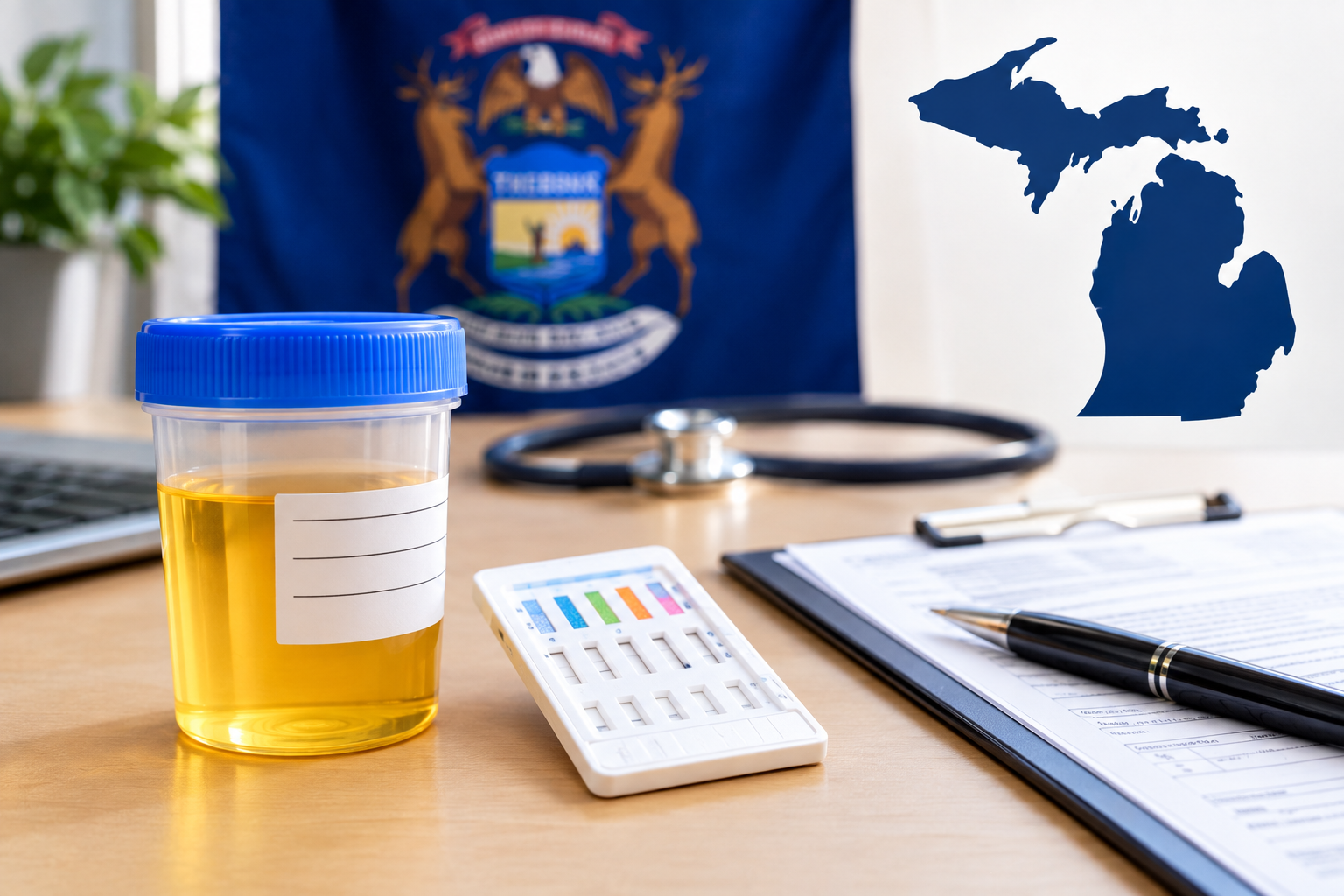
Creating and enforcing a workplace drug testing policy is an important part of protecting employees, customers, and your business. In Michigan, employers have the right to implement drug and alcohol testing, but a clear and compliant policy is critical to ensure fairness, consistency, and legal protection.
Whether you're a small business in Port Huron or a large employer with multiple Michigan locations, a well-crafted policy helps you meet safety goals, reduce liability, and stay compliant with state and federal laws.
At Blue Water DRP LLC, we work with Michigan employers every day to implement drug testing programs. This blog covers what you need to include in your policy, what types of testing are available, and how to make sure your approach is effective and legally sound.
Why Should Employers in Michigan Implement a Drug Testing Policy?
There are several compelling reasons to establish a written drug testing policy:
- Promote a safe work environment
- Reduce workplace accidents and injuries
- Limit liability and workers’ compensation claims
- Ensure productivity and performance
- Comply with federal (DOT) or state regulations
- Support a drug-free workplace culture
- Address employee substance abuse proactively
Even in industries that aren't federally regulated, many Michigan businesses adopt drug testing as a risk management tool. It shows your team, clients, and insurance providers that you're committed to a safe and responsible workplace.
Is Drug Testing Legal in Michigan for Employers?
Yes, employers in Michigan can legally require drug testing. However, your policy must be applied consistently and without discrimination. For certain jobs—especially those involving safety-sensitive tasks or DOT compliance—testing may be required by law.
Michigan is also an “at-will” employment state, which gives employers some flexibility. However, random testing, post-incident testing, and pre-employment testing should always be backed by a written policy that employees are informed about.
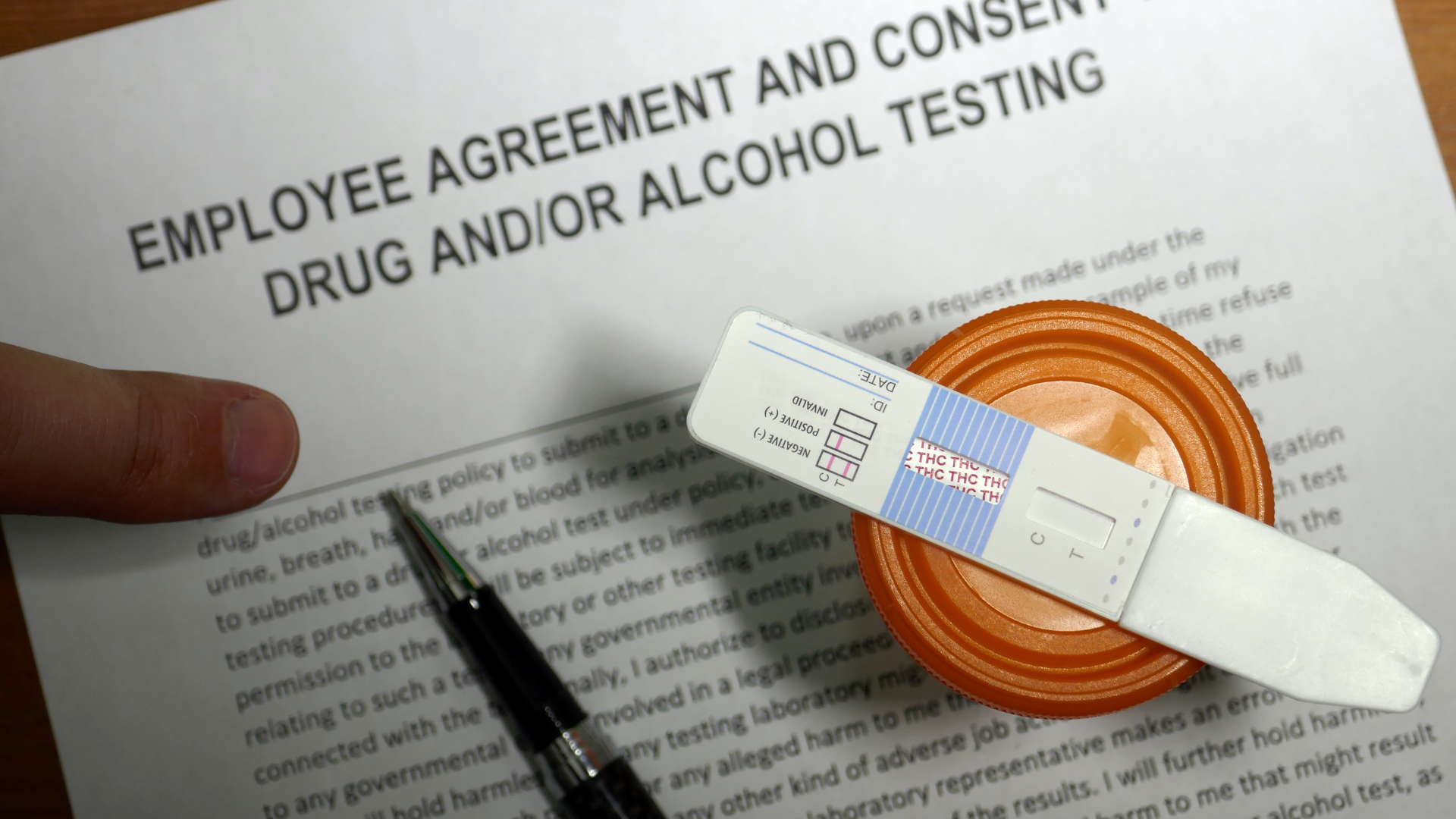
It’s also important to understand how Michigan’s marijuana laws affect workplace testing. While recreational marijuana is legal in the state, employers can still prohibit its use and test for THC—especially if the job is safety-sensitive or federally regulated.
What Should Be Included in an Employer Drug Testing Policy?
A clear and comprehensive policy helps your company avoid legal challenges and improves employee understanding. Your policy should include the following elements:
1. Purpose Statement
Explain why the policy exists—such as safety, compliance, or liability reduction.
2. Who Is Covered
Define whether the policy applies to all employees, or only to certain departments or positions.
3. Types of Testing
Specify when and how testing will occur. Common types include:
- Pre-employment testing
- Random testing
- Post-accident testing
- Reasonable suspicion testing
- Return-to-duty testing
- Follow-up testing after rehabilitation
4. Substances Tested For
List which drugs or classes of substances will be screened, such as:
- Marijuana (THC)
- Cocaine
- Opiates
- Amphetamines
- Benzodiazepines
- Alcohol (via breath or urine testing)
5. Testing Methods
State whether tests will be urine-based, hair follicle, or breath alcohol testing, and who will administer the tests.
6. Consequences for Refusal or Positive Results
Clarify what happens if an employee refuses a test or tests positive. Options may include termination, suspension, or participation in a treatment program.
7. Confidentiality Assurance
Outline how test results will be stored, who will have access, and how privacy will be maintained.
8. Acknowledgment by Employees
Have employees sign a copy of the policy to confirm they’ve read and understand it.
What Testing Options Are Available to Michigan Employers?
At Blue Water DRP LLC, we offer a full range of employer drug and alcohol testing services:
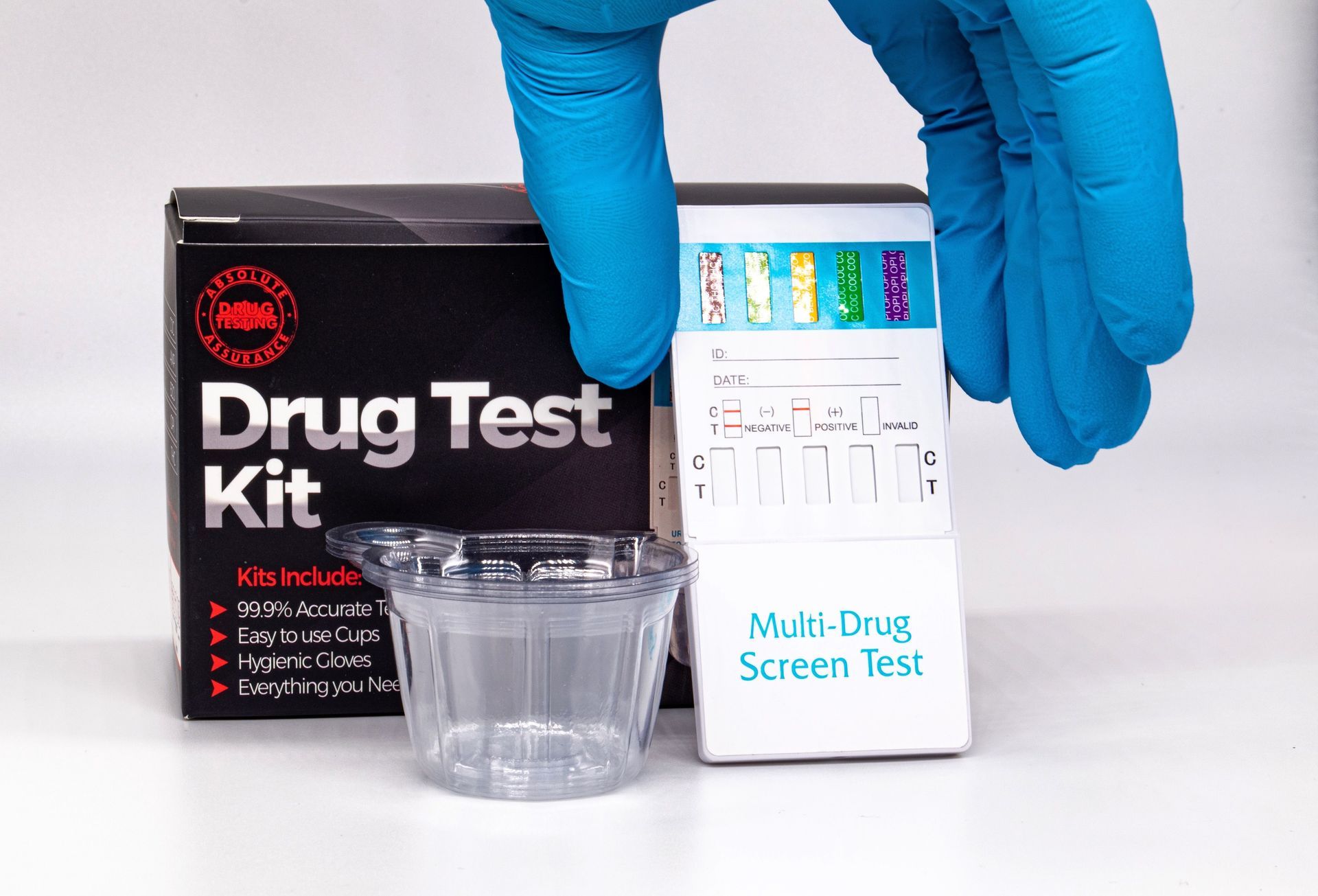
- 5-panel and 10-panel urine tests
- Hair follicle drug testing for long-term detection
- Breath alcohol testing for immediate intoxication checks
- DOT-compliant testing for regulated employers
- Mobile testing services for workplaces across Michigan
- Observed testing for court or compliance-related scenarios
We also help businesses create or refine their written policies and offer testing kits or on-site services for employee convenience.
Tips for Employers When Creating or Updating a Drug Testing Policy
1. Be Consistent
Apply the policy equally across your workforce to avoid discrimination claims.
2. Work with Legal Counsel
Before rolling out a policy, consult with an employment attorney to ensure compliance with Michigan and federal law.
3. Train Supervisors
Managers should be trained to recognize signs of impairment and understand how to initiate reasonable suspicion testing appropriately.
4. Communicate Clearly
Make the policy part of your onboarding process and include it in your employee handbook.
5. Partner with a Professional Testing Provider
Using a trusted facility like Blue Water DRP LLC ensures proper chain-of-custody documentation and accurate, confidential results.
What About Marijuana in Michigan Workplaces?
Recreational marijuana is legal in Michigan, but that doesn't mean employees are free to use it without consequences. Employers still have the right to:
- Prohibit marijuana use at work
- Require pre-employment or random testing for THC
- Enforce disciplinary action for positive marijuana results
This is especially important for positions involving driving, operating machinery, or working in healthcare or childcare.
In federally regulated roles (like DOT-covered positions), marijuana is still illegal—even in states where it's legal for personal use. A positive test can result in disqualification from duty, regardless of state law.
Frequently Asked Questions
Do I need to test all employees?
Not necessarily. You can choose to test only safety-sensitive positions, but your policy should define who is covered.
Can I test for marijuana in Michigan?
Yes. Even though marijuana is legal recreationally, employers can still test for THC and enforce drug-free workplace rules.
How often should random testing be done?
This depends on your company policy. DOT guidelines require a set annual percentage. For non-DOT employers, you can choose quarterly, monthly, or as needed.
What if an employee refuses a drug test?
Your policy should outline the consequences, which typically include suspension or termination.
Local, Professional Support for Employer Drug Testing
Blue Water DRP LLC has been helping Michigan employers design and implement drug testing programs since 2009. From policy development to collection and reporting, we offer full-service solutions tailored to your business.
We work with companies of all sizes—from local shops to transportation fleets—to make drug testing easy, compliant, and effective.
Our services include:
- On-site and in-office collections
- DOT and non-DOT testing
- Flexible scheduling
- Court-admissible results
- Confidential reporting
Visit or Contact Us
Blue Water DRP LLC
1824 Pine Grove Avenue
Port Huron, MI 48060
Business Hours:
Monday through Friday: 6:00 AM – 6:00 PM
Saturday and Sunday: 6:00 AM – 9:00 AM
DOT testing available Monday to Friday until 3:00 PM (excluding holidays)
Phone: (810) 966-0006
Email: bluewaterdrp@gmail.com