Receiving a positive drug test result can be stressful for both employees and employers. Whether the test was conducted for pre-employment screening, workplace compliance, court requirements, probation, or Department of Transportation (DOT) regulations, understanding what happens next is important.
Many people assume that a positive drug test automatically leads to termination, legal consequences, or other severe outcomes. In reality, the next steps often depend on several factors, including the type of test, workplace policies, regulatory requirements, and the circumstances surrounding the result.
At Blue Water DRP LLC, we provide professional drug and alcohol testing services throughout Michigan and regularly assist employers, employees, attorneys, and agencies with testing procedures and documentation. This guide explains what typically happens after a positive drug test and what both employers and employees should know moving forward.
What Does a Positive Drug Test Mean?
A positive drug test indicates that a prohibited substance or drug metabolite was detected in the individual's specimen at or above established testing thresholds.
A positive result does not necessarily reveal:
- When the substance was used
- Whether impairment was present at the time of testing
- How much of the substance was consumed
- The circumstances surrounding the use
Instead, the result confirms that the laboratory detected evidence of a substance included in the testing panel.
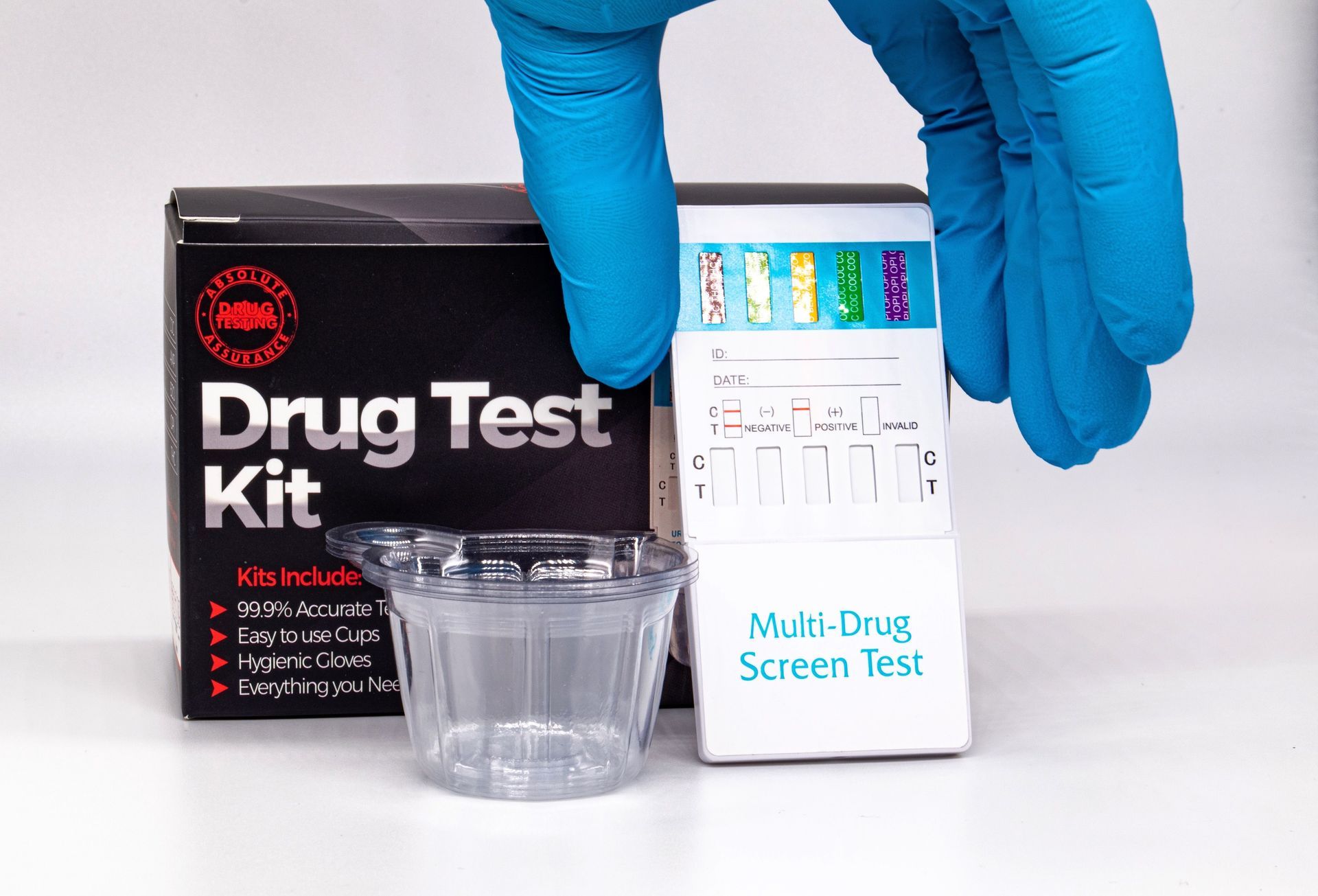
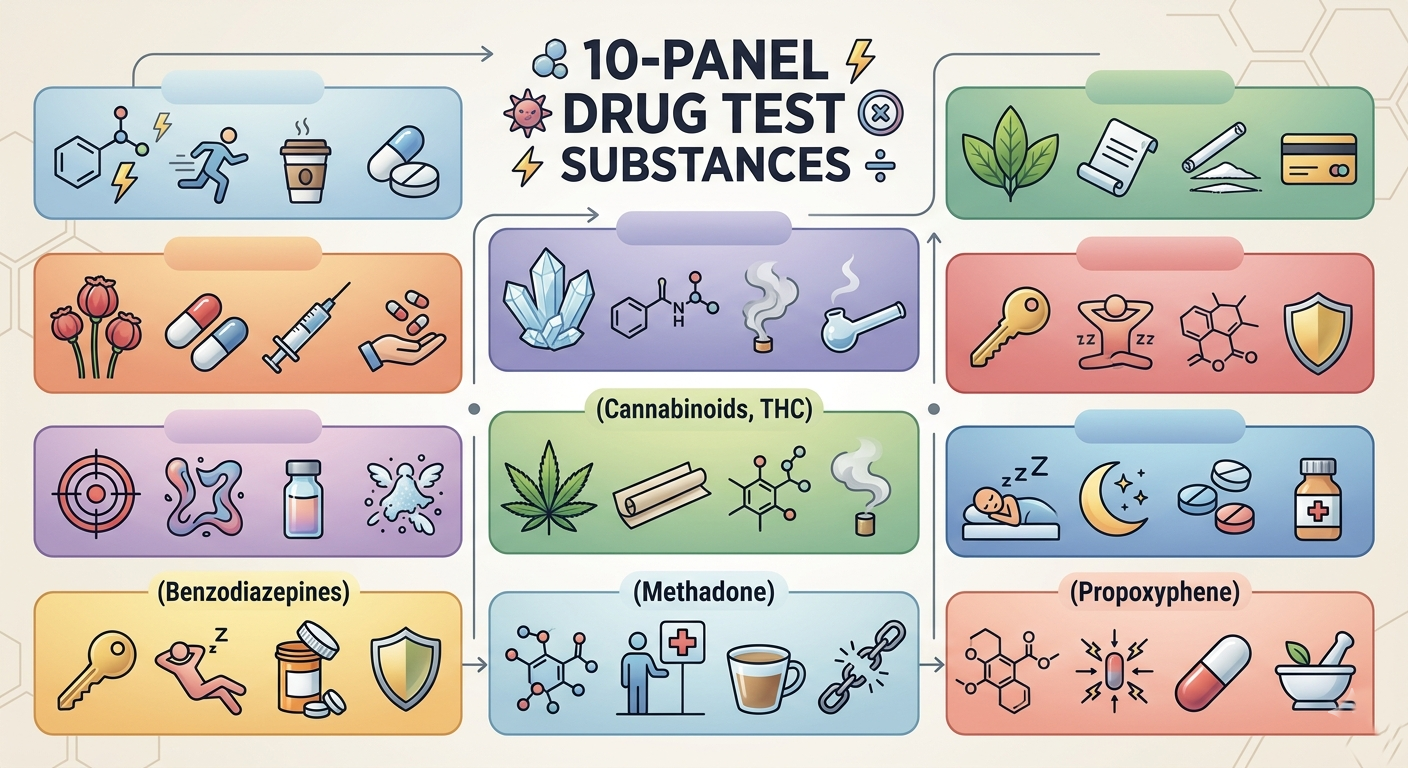
Depending on the type of test ordered, substances commonly screened include:
- Marijuana (THC)
- Cocaine
- Opiates
- Amphetamines
- Methamphetamine
- PCP
- Benzodiazepines
- Barbiturates
- Methadone
- Additional substances included in expanded panels
The next step after a positive result depends on the testing program and purpose of the test.
The Importance of Confirmatory Testing
Before a final positive result is reported, many testing programs require confirmation procedures.
Initial screening tests are designed to identify potential positive specimens quickly. If a sample produces a non-negative result, the specimen may undergo more sophisticated laboratory analysis.
Confirmation testing helps:
- Eliminate false positives
- Verify accuracy
- Ensure reliable reporting
- Support legal defensibility
This additional step provides confidence that reported results are accurate and scientifically supported.
What Is a Medical Review Officer (MRO)?
For many workplace and DOT testing programs, positive results are reviewed by a Medical Review Officer (MRO).
An MRO is a licensed physician trained in drug testing procedures who evaluates positive results before they are finalized.
The MRO may:
- Contact the donor
- Review prescription medications
- Verify medical explanations
- Determine whether a legitimate medical reason exists
For example, if an individual tests positive for a medication that was legally prescribed and properly documented, the MRO may determine that the result should not be reported as a verified positive under certain circumstances.
This process helps protect employees while ensuring accurate reporting.
Positive Pre-Employment Drug Test Results
Many employers require drug testing before hiring new employees.
When an applicant tests positive during pre-employment screening, the employer may choose to:
- Withdraw the job offer
- Delay employment pending additional review
- Request further documentation
- Allow reapplication at a later date
The specific response depends on company policy and the nature of the position.
Employers in safety-sensitive industries often maintain strict drug-free workplace standards and may have zero-tolerance policies.
Positive Drug Tests for Current Employees
When an existing employee tests positive, the outcome depends on several factors.
Employers may consider:
- Company policies
- Job responsibilities
- Workplace safety concerns
- Prior disciplinary history
- Applicable regulations
Potential outcomes may include:
- Written warnings
- Suspension
- Mandatory treatment programs
- Return-to-duty testing
- Follow-up testing
- Termination of employment
Each employer establishes its own policies regarding workplace drug testing and disciplinary procedures.
Positive DOT Drug Test Results
DOT-regulated employees face additional requirements.
Commercial drivers and other safety-sensitive transportation workers are subject to federal regulations that establish specific procedures following a positive test.
After a verified positive DOT test:
- The employee must be immediately removed from safety-sensitive duties
- The employee is referred to a Substance Abuse Professional (SAP)
- Return-to-duty procedures must be completed before resuming covered work
The return-to-duty process may include:
- Professional evaluation
- Treatment recommendations
- Education programs
- Follow-up testing requirements
DOT regulations are designed to promote public safety and ensure consistent compliance across transportation industries.
Positive Drug Tests in Court Cases
Drug testing is frequently used in legal proceedings.
Examples include:
- Child custody cases
- Family court matters
- Probation programs
- Drug court participation
- DHS investigations
- Foster care cases
A positive result may influence court decisions depending on:
- The nature of the case
- The substance involved
- The individual's overall compliance history
- Treatment efforts
- Child safety considerations
However, courts generally consider multiple factors rather than relying solely on a single test result.
Positive Drug Tests in DHS and Foster Care Cases
Michigan's Department of Health and Human Services may use drug testing to evaluate concerns regarding child welfare and family safety.
A positive result does not automatically determine the outcome of a case, but it may lead to:
- Additional monitoring
- Treatment recommendations
- Increased testing frequency
- Parenting plan modifications
- Reunification requirements
Caseworkers often focus on long-term progress and demonstrated commitment to recovery.
Can Prescription Medications Cause Positive Results?
Yes.
Many prescription medications can appear during drug testing.
Examples include:
- Certain pain medications
- ADHD medications
- Anti-anxiety medications
- Sleep medications
This is one reason MRO review is so important.
Individuals should always disclose prescription medications when appropriate and maintain documentation from healthcare providers.
Legitimate prescription use may explain some positive findings during the review process.
Can False Positives Occur?
Although modern testing methods are highly accurate, false positives can occasionally occur during preliminary screening.
This is why confirmation testing and MRO review are essential components of professional testing programs.
Certified laboratories use advanced testing methods designed to distinguish between substances and verify results before final reporting.
What Employees Should Do After a Positive Drug Test
Receiving a positive result can be overwhelming, but it is important to remain calm and cooperative.
Employees should:
Review the Results Carefully
Understand what substance was identified and whether confirmation testing was performed.
Respond Promptly to MRO Communications
Failure to respond may delay the review process.
Provide Prescription Documentation
If applicable, provide accurate information regarding medications prescribed by a healthcare provider.
Understand Employer Policies
Review workplace policies regarding testing, disciplinary actions, and appeal procedures.
Consider Professional Support
If substance use is involved, treatment or counseling programs may help address concerns and demonstrate a commitment to improvement.
What Employers Should Do After a Positive Drug Test
Employers should follow established policies consistently and professionally.
Best practices include:
Maintain Confidentiality
Testing information should only be shared with authorized individuals.
Follow Written Policies
Consistent application of policies helps reduce liability and ensure fairness.
Document Decisions
Maintain records regarding:
- Test results
- Communications
- Employment decisions
- Policy enforcement actions
Avoid Immediate Assumptions
Allow confirmation testing and MRO review processes to be completed before making final decisions.
Consult Legal Counsel When Necessary
Complex situations may warrant professional legal guidance.
Frequently Asked Questions
Can I lose my job after a positive drug test?
Possibly. Outcomes depend on employer policies, regulations, and the circumstances of the case.
Will a positive drug test appear on my criminal record?
No. Drug test results are generally separate from criminal records unless connected to a legal proceeding.
Can I request a retest?
Some programs allow retesting under specific circumstances. Policies vary depending on the testing program.
What happens if I refuse a drug test?
Many employers treat refusal similarly to a positive result. DOT regulations also impose consequences for refusals.
Can marijuana result in a positive test in Michigan?
Yes. Even though marijuana is legal under Michigan law in certain situations, employers and federal agencies may still prohibit its use and test for THC.
Supporting Michigan Employers and Individuals Since 2009
Blue Water DRP LLC provides professional testing services for:
- Employers
- Employees
- Courts
- Attorneys
- DHS agencies
- Probation programs
- DOT-regulated businesses
- Individuals
Our services include:
- Drug testing
- Alcohol testing
- Hair follicle testing
- DOT testing
- Random testing programs
- Court-ordered testing
- Mobile testing services
We understand that testing results can have significant personal and professional consequences, which is why we are committed to accuracy, confidentiality, and professionalism.
Contact Blue Water DRP LLC
Blue Water DRP LLC
1824 Pine Grove Avenue
Port Huron, Michigan 48060
Business Hours
Monday through Friday: 6:00 AM – 6:00 PM
Saturday and Sunday: 6:00 AM – 9:00 AM
DOT Testing Hours
Monday through Friday: 6:00 AM – 3:00 PM
Excluding Holidays
Phone: (810) 966-0006
Email:
bluewaterdrp@gmail.com
Blue Water DRP LLC proudly serves Port Huron, St. Clair County, and communities throughout Michigan with professional drug and alcohol testing services designed to provide accurate results and trusted support.