Maintaining a safe and productive workplace requires employers to address situations where an employee may be impaired while on the job. While pre-employment, random, and post-accident drug testing are common workplace practices, another important testing category is reasonable suspicion drug testing.
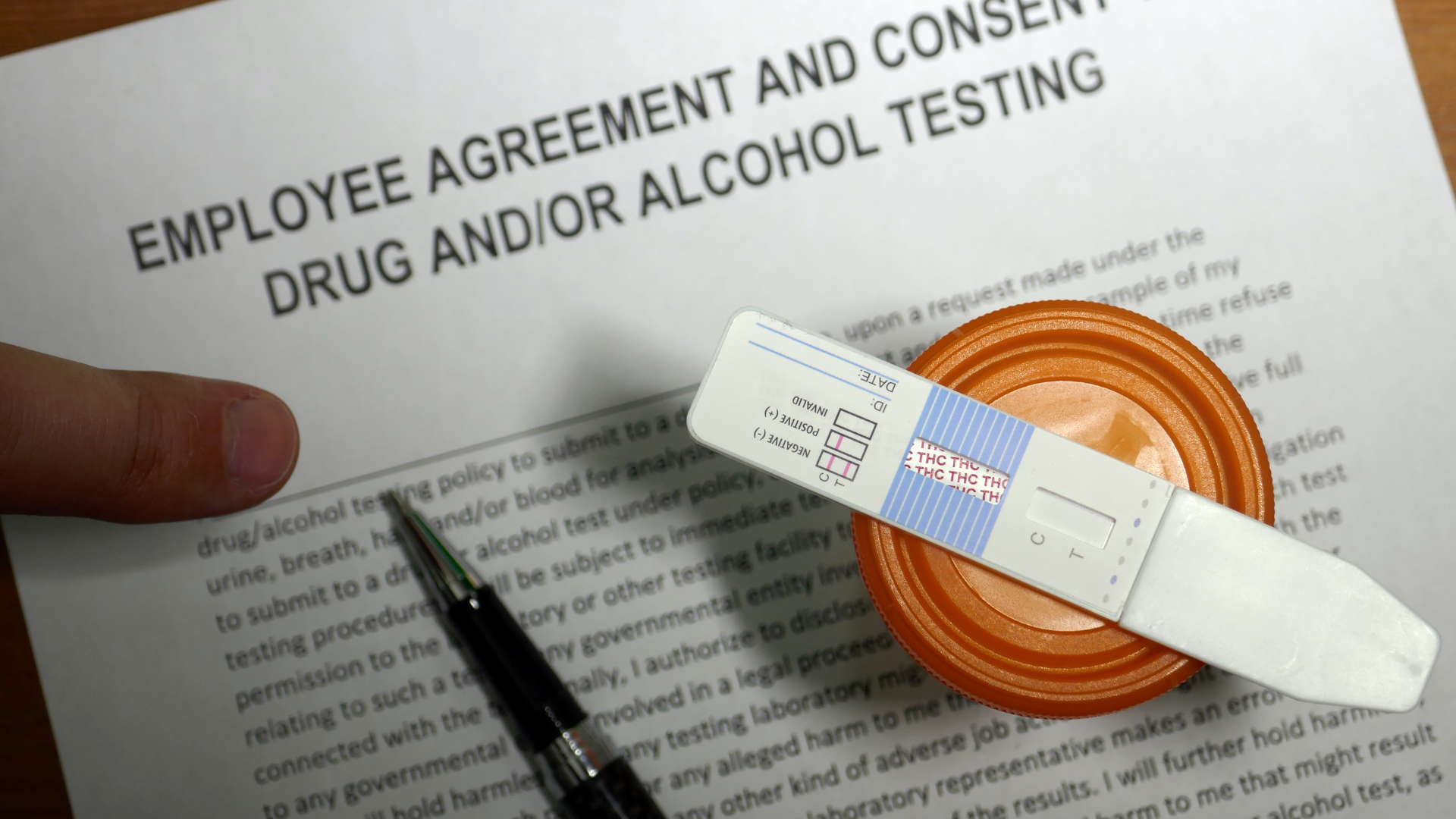
Reasonable suspicion testing allows employers to request a drug or alcohol test when there is objective evidence that an employee may be under the influence of drugs or alcohol while working. This type of testing helps protect employees, customers, company property, and the public while ensuring that workplace safety standards are upheld.
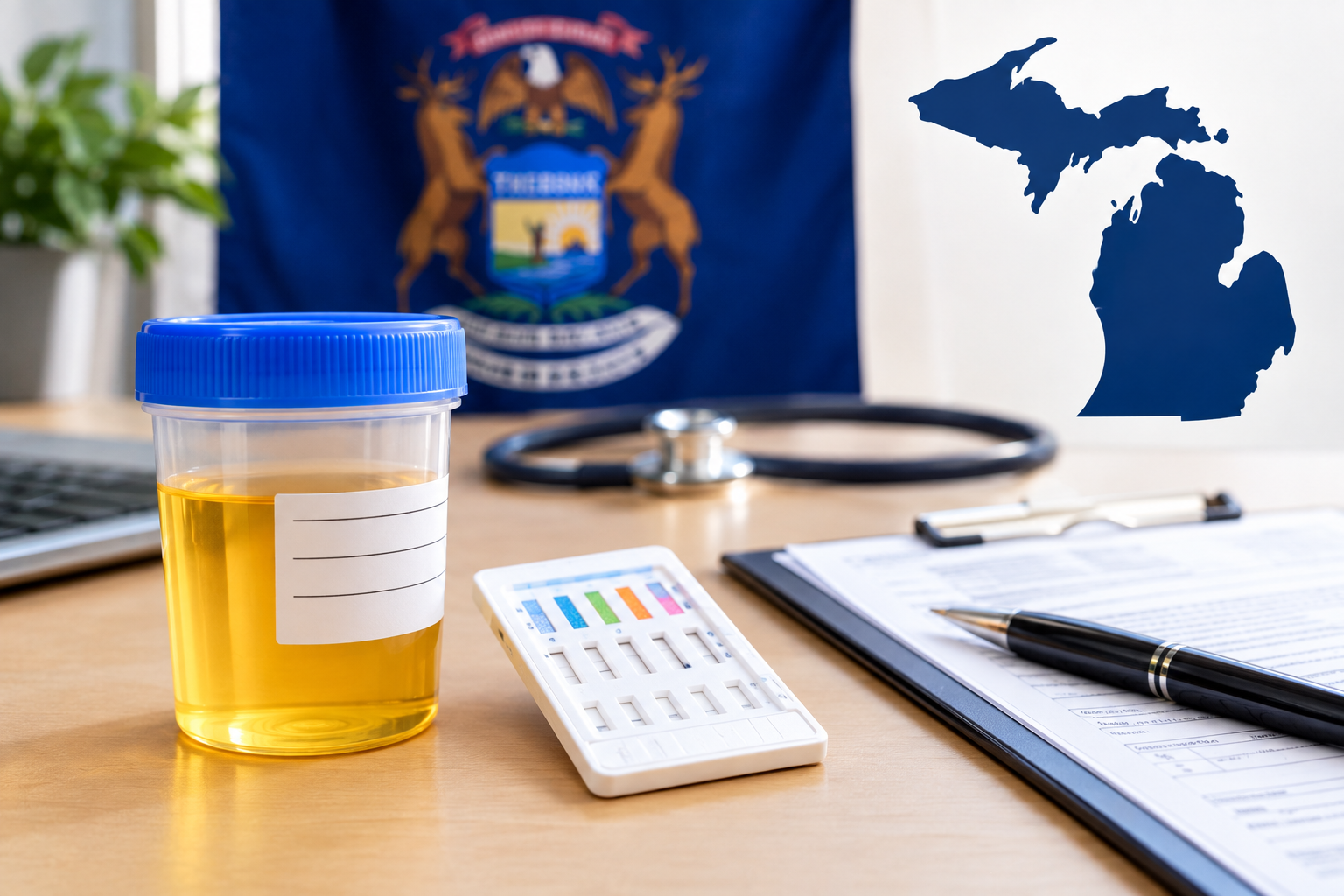
At Blue Water DRP LLC, we provide professional reasonable suspicion drug and alcohol testing services for employers throughout Michigan. Since 2009, we have helped businesses respond quickly and professionally when concerns about workplace impairment arise.
What Is Reasonable Suspicion Drug Testing?
Reasonable suspicion drug testing occurs when a supervisor or manager observes specific signs or behaviors that suggest an employee may be impaired by drugs or alcohol while performing job duties.
Unlike random drug testing, reasonable suspicion testing is based on documented observations rather than chance selection.
The purpose of the test is not to accuse or punish an employee. Instead, it provides an objective method for determining whether substance use may be contributing to unsafe behavior or poor performance.
Reasonable suspicion testing is particularly important in safety-sensitive workplaces where impairment can create serious risks.
Why Reasonable Suspicion Testing Matters
Workplace impairment can affect judgment, coordination, reaction time, concentration, and decision-making. Even minor impairment can increase the likelihood of accidents, injuries, and costly mistakes.
Employers use reasonable suspicion testing to:
- Protect workplace safety
- Prevent accidents and injuries
- Reduce liability risks
- Maintain productivity
- Support drug-free workplace policies
- Meet regulatory requirements
- Protect customers and the public
By addressing concerns promptly, employers can prevent situations from escalating into serious incidents.
Signs That May Justify Reasonable Suspicion Testing
Reasonable suspicion must be based on observable facts rather than assumptions, rumors, or personal opinions.
Common indicators may include:
Physical Signs
Employees who may be impaired could display physical symptoms such as:
- Bloodshot eyes
- Dilated or constricted pupils
- Slurred speech
- Unsteady movements
- Poor coordination
- Tremors
- Excessive sweating
- Unusual drowsiness
- Smell of alcohol or drugs
One symptom alone may not justify testing, but multiple indicators often warrant further evaluation.
Behavioral Changes
Sudden or unusual behavioral changes may also raise concerns.
Examples include:
- Aggressive behavior
- Mood swings
- Irritability
- Confusion
- Difficulty concentrating
- Unusual anxiety
- Paranoia
- Excessive talkativeness
- Social withdrawal
Employers should compare current behavior with the employee's normal conduct.
Performance Issues
Substance impairment may also affect job performance.
Potential indicators include:
- Frequent mistakes
- Missed deadlines
- Reduced productivity
- Poor decision-making
- Failure to follow safety procedures
- Difficulty understanding instructions
- Increased absenteeism
- Excessive tardiness
Performance issues alone may not justify testing, but they can contribute to reasonable suspicion when combined with other observations.
Workplace Accidents or Near Misses
An employee involved in a workplace accident or serious safety violation may exhibit signs that support reasonable suspicion testing.
Supervisors should carefully document all observations related to the incident.
How Employers Should Document Reasonable Suspicion
Proper documentation is one of the most important aspects of reasonable suspicion testing.
Supervisors should record:
- Date and time of observations
- Specific behaviors observed
- Physical symptoms observed
- Witness statements if applicable
- Job performance concerns
- Safety issues identified
Documentation should focus on objective facts rather than personal opinions.
For example:
Instead of writing:
"Employee appeared drunk."
A supervisor should write:
"Employee had slurred speech, smelled strongly of alcohol, stumbled while walking, and had difficulty completing assigned tasks."
Detailed documentation helps support testing decisions and protects employers from potential disputes.
Who Should Make the Decision to Test?
Whenever possible, more than one supervisor should participate in the evaluation process.
Having multiple observers:
- Improves objectivity
- Strengthens documentation
- Reduces bias concerns
- Supports legal defensibility
Many employers require two trained supervisors to confirm observations before initiating reasonable suspicion testing.
The Importance of Supervisor Training
Supervisor training is critical for effective reasonable suspicion programs.
Managers should understand:
- Signs of impairment
- Documentation requirements
- Testing procedures
- Company policies
- Employee rights
- Legal considerations
Proper training helps ensure testing decisions are based on legitimate concerns rather than assumptions.
Reasonable Suspicion Testing and DOT Regulations
For DOT-regulated employers, reasonable suspicion testing is subject to specific federal requirements.
Supervisors overseeing DOT-covered employees must receive training on:
- Drug-related signs and symptoms
- Alcohol-related signs and symptoms
- Documentation procedures
- Regulatory requirements
DOT reasonable suspicion testing may apply to:
- Commercial truck drivers
- Transit employees
- Aviation personnel
- Railroad workers
- Pipeline employees
Failure to follow DOT regulations can result in compliance violations and penalties.
What Happens During a Reasonable Suspicion Test?
At Blue Water DRP LLC, the testing process is designed to be professional, confidential, and efficient.
Step 1: Employee Referral
The employer provides documentation supporting the testing request.
Step 2: Identity Verification
The employee presents valid photo identification.
Step 3: Specimen Collection
Depending on company policy, testing may include:
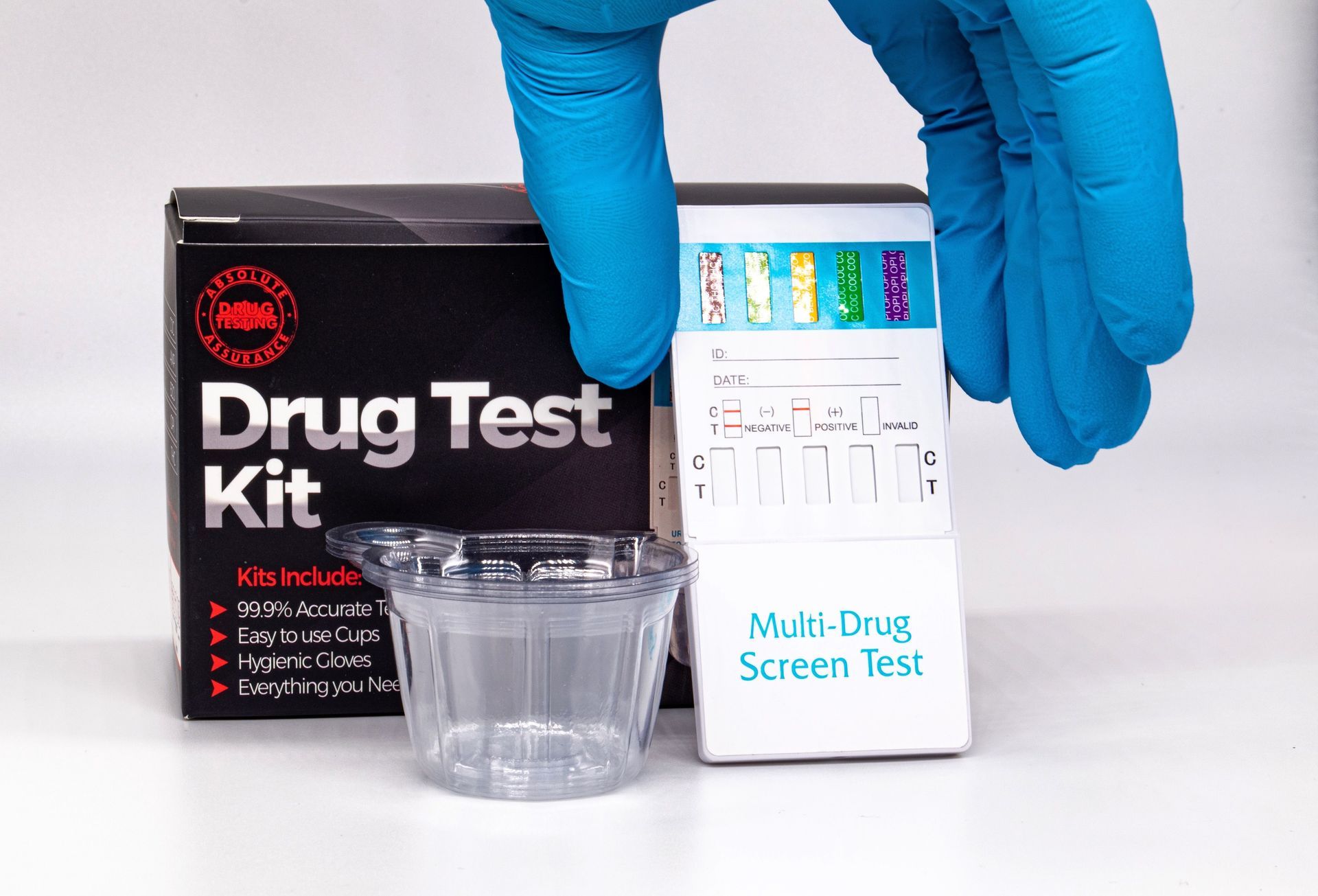
- Urine drug testing
- Breath alcohol testing
- Hair follicle testing
- Observed collections if required
Step 4: Chain of Custody
All specimens are collected and handled according to strict chain-of-custody procedures.
Step 5: Results Reporting
Results are securely delivered to authorized employer representatives.
Common Mistakes Employers Should Avoid
Acting on Rumors
Testing should never be based solely on gossip, complaints, or assumptions.
Insufficient Documentation
Poor documentation can weaken the employer's position if testing decisions are challenged.
Delaying Testing
Reasonable suspicion testing should occur as soon as possible after observations are made.
Delays may affect the accuracy and relevance of results.
Applying Policies Inconsistently
Employers should apply testing policies fairly and consistently across all employees.
Ignoring Supervisor Training
Untrained supervisors may struggle to identify legitimate signs of impairment or properly document concerns.
Frequently Asked Questions
Is reasonable suspicion drug testing legal in Michigan?
Yes. Employers may conduct reasonable suspicion testing when supported by a written policy and documented observations.
Can an employee refuse a reasonable suspicion test?
Yes, but refusal may result in disciplinary action according to company policy and applicable regulations.
What substances are tested during reasonable suspicion testing?
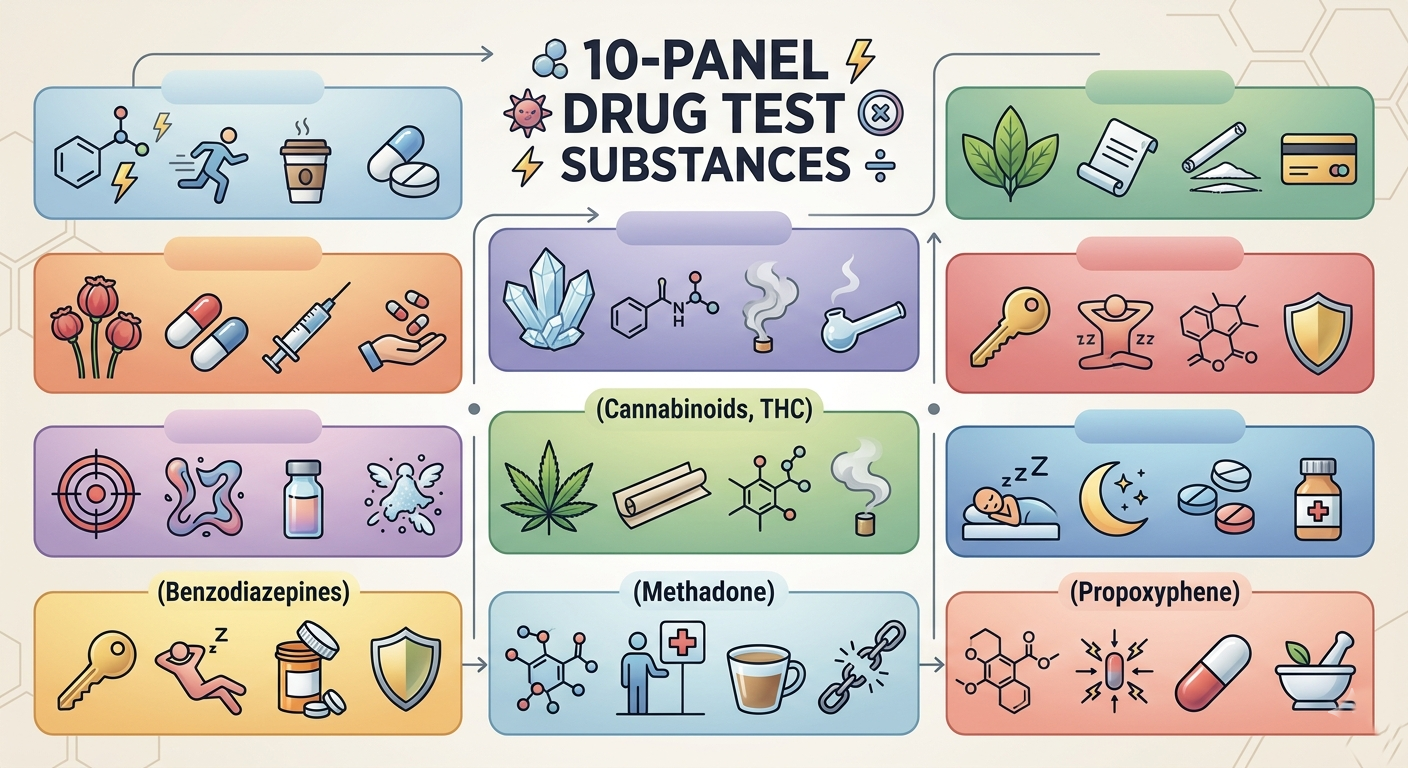
Testing may include marijuana, cocaine, opiates, amphetamines, PCP, alcohol, and additional substances depending on employer requirements.
Should testing occur immediately?
Yes. Testing should be performed as soon as possible after observations are documented.
Can small businesses use reasonable suspicion testing?
Absolutely. Businesses of all sizes can implement reasonable suspicion testing policies to improve workplace safety.
Supporting Michigan Employers Since 2009
Blue Water DRP LLC has been helping Michigan employers maintain safe workplaces through professional drug and alcohol testing services for more than 15 years.
Our employer testing services include:
- Reasonable suspicion testing
- Random drug testing
- Post-accident testing
- Pre-employment screening
- DOT-compliant testing
- Return-to-duty testing
- Breath alcohol testing
- Hair follicle testing
- Mobile testing services
We understand the importance of responding quickly and professionally when workplace safety concerns arise.
Contact Blue Water DRP LLC
Blue Water DRP LLC
1824 Pine Grove Avenue
Port Huron, Michigan 48060
Business Hours
Monday through Friday: 6:00 AM – 6:00 PM
Saturday and Sunday: 6:00 AM – 9:00 AM
DOT Testing Hours
Monday through Friday: 6:00 AM – 3:00 PM
Excluding Holidays
Phone: (810) 966-0006
Email: bluewaterdrp@gmail.com
Blue Water DRP LLC proudly serves employers throughout Port Huron, St. Clair County, and all of Michigan with reliable drug and alcohol testing services designed to support workplace safety and compliance.