When child welfare concerns arise, the Michigan Department of Health and Human Services (DHS) may require drug or alcohol testing as part of an investigation, case plan, or reunification process. Drug testing is frequently used to help assess child safety, evaluate risk factors, and determine whether a parent or guardian can provide a stable and secure environment for a child.
For many individuals and families, receiving a request for DHS drug testing can feel overwhelming. Understanding why testing is required, how the process works, and what happens after testing can help reduce uncertainty and ensure compliance with case requirements.
At Blue Water DRP LLC, we have provided professional drug and alcohol testing services throughout Michigan since 2009. We regularly work with DHS caseworkers, family courts, attorneys, foster care agencies, and parents who need accurate, confidential, and legally defensible testing services.
What Is DHS Drug Testing?
DHS drug testing refers to substance abuse screening requested by the Michigan Department of Health and Human Services during child welfare cases or investigations.
The purpose of testing is to gather objective information regarding potential substance use concerns that may impact a child's safety and well-being.
Drug testing may be requested as part of:
- Child protective services investigations
- Foster care cases
- Family reunification plans
- Child neglect investigations
- Child abuse investigations
- Family court proceedings
- Safety assessments
- Voluntary service agreements
Testing allows caseworkers and courts to evaluate whether substance abuse may be affecting parenting abilities or creating safety concerns within the home.
Why DHS May Request Drug Testing
The primary responsibility of DHS is protecting children and promoting family stability whenever possible.
Drug testing may be requested when concerns arise regarding:
Allegations of Substance Abuse
Reports involving drug or alcohol abuse may trigger a request for testing.
Examples include:
- Reports from schools
- Reports from healthcare providers
- Law enforcement involvement
- Family member concerns
- Community complaints
Testing provides objective information rather than relying solely on allegations.
Child Neglect Investigations
Substance abuse can sometimes contribute to situations involving:
- Inadequate supervision
- Unsafe living conditions
- Missed medical care
- Educational neglect
Testing may help DHS evaluate whether substance use is a contributing factor.
Child Removal Cases
When children are removed from a home, testing is often used to assess parental substance use and identify services that may support reunification efforts.
Reunification Planning
Parents working toward reunification are often required to demonstrate ongoing sobriety.
Regular testing can help document progress and compliance with case plans.
Foster Care Licensing and Approval
Individuals seeking foster care approval may be required to complete drug and alcohol testing during the licensing process.
This helps ensure that children are placed in safe and stable environments.
Types of Drug Testing Used in DHS Cases
The type of test requested often depends on the circumstances of the case.
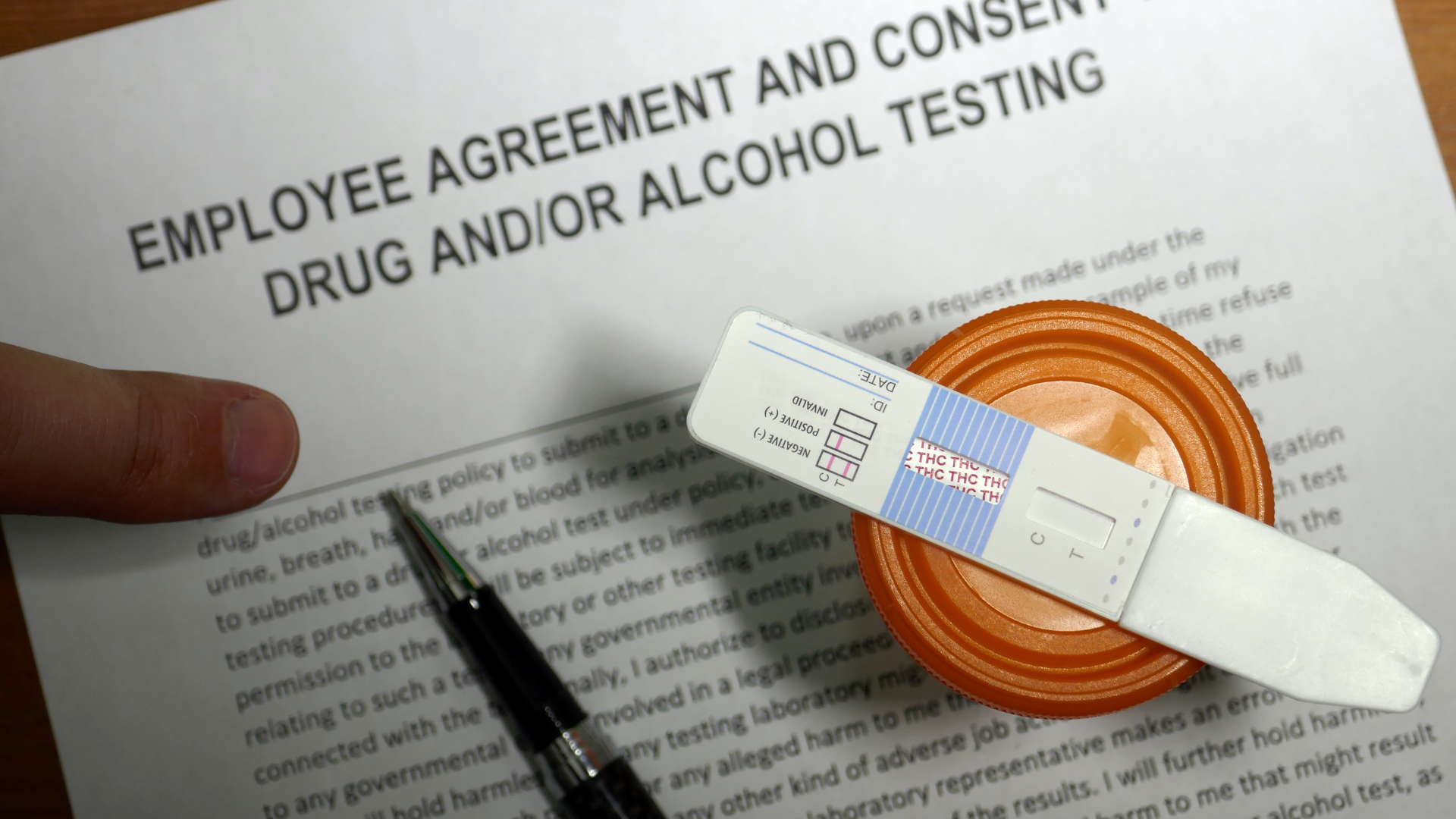
Urine Drug Testing
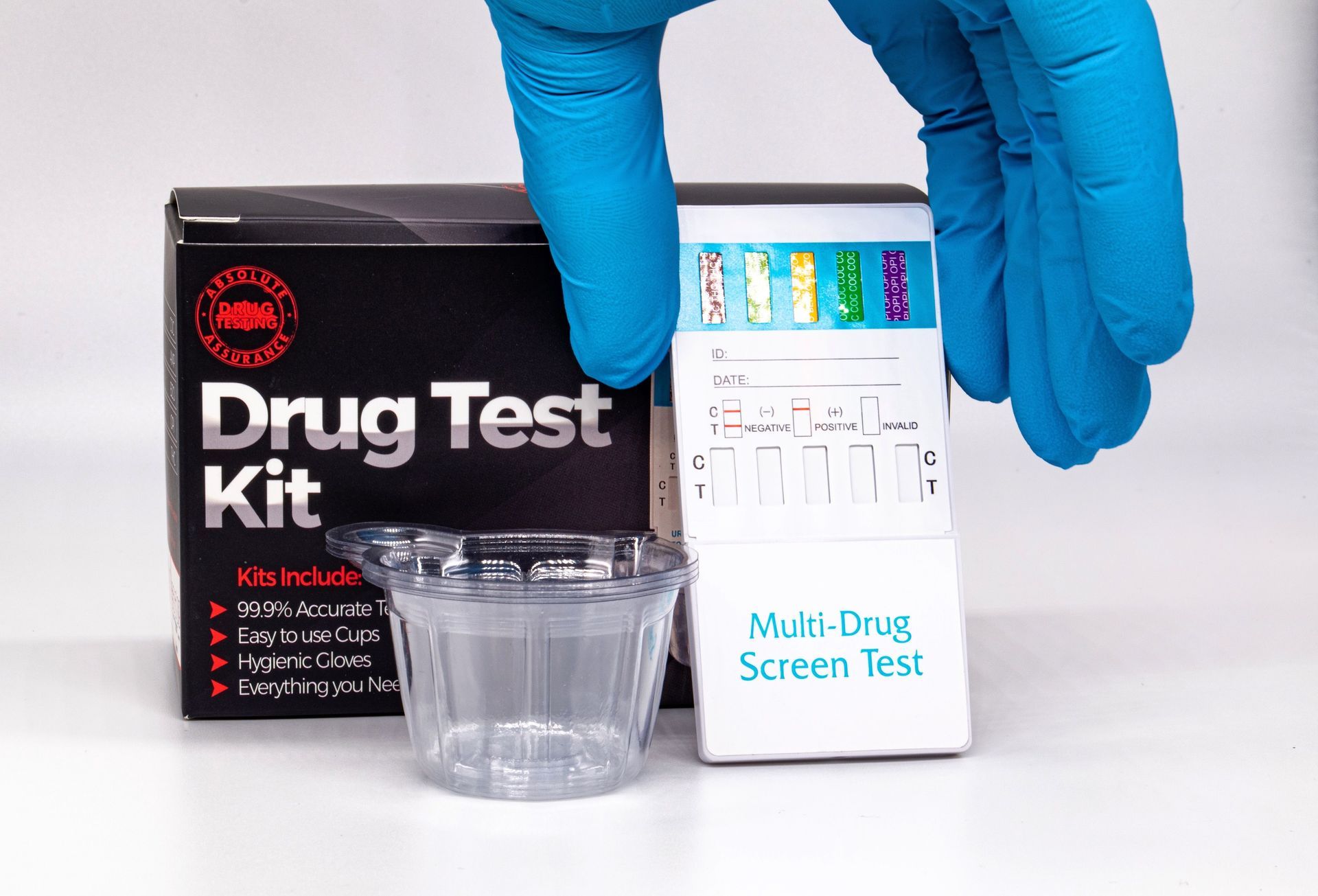
Urine testing is the most commonly used method.
Benefits include:
- Fast collection
- Reliable detection of recent drug use
- Cost-effective screening
- Broad acceptance by courts and agencies
Urine testing is often used for:
- Initial screenings
- Ongoing monitoring
- Random testing programs
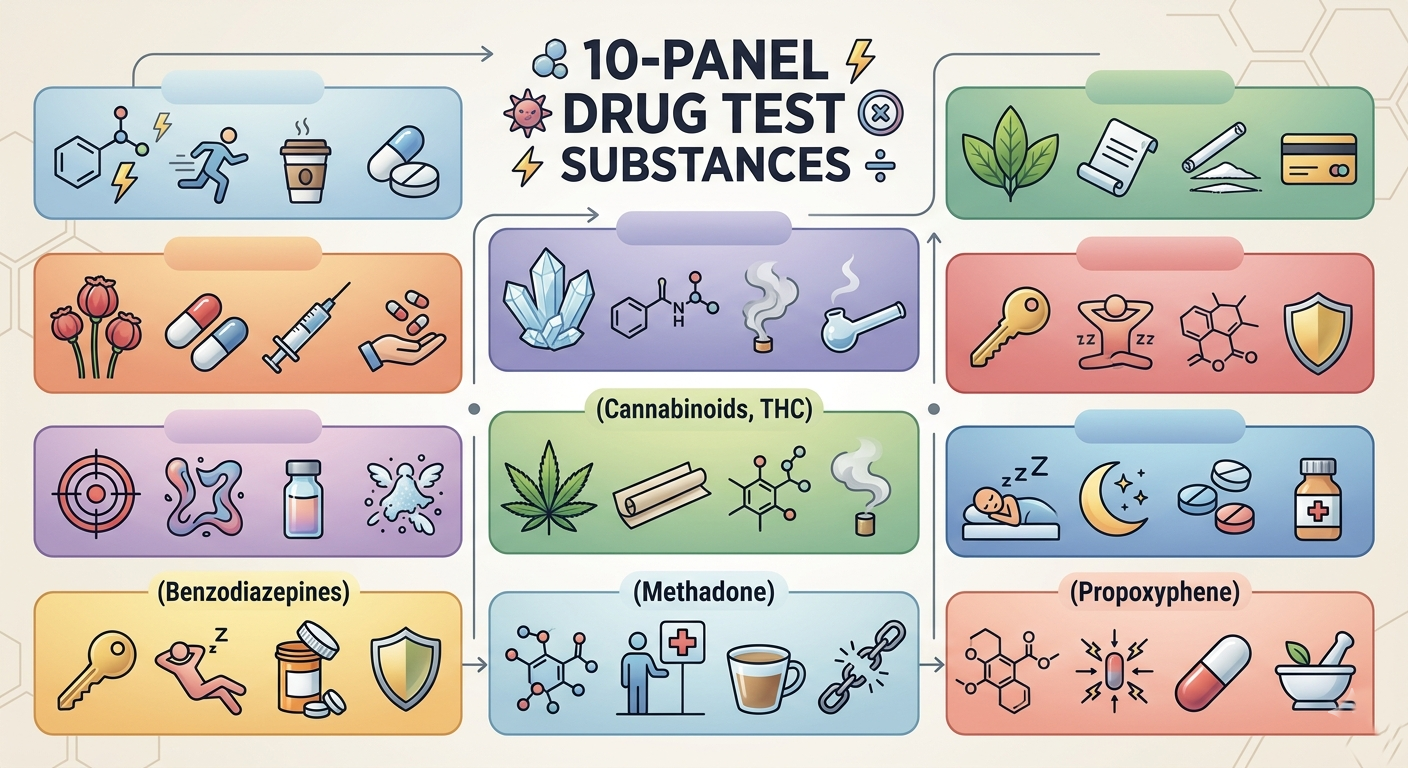
Common substances tested include:
- Marijuana (THC)
- Cocaine
- Opiates
- Amphetamines
- Methamphetamine
- PCP
Expanded panels may include additional substances depending on case requirements.
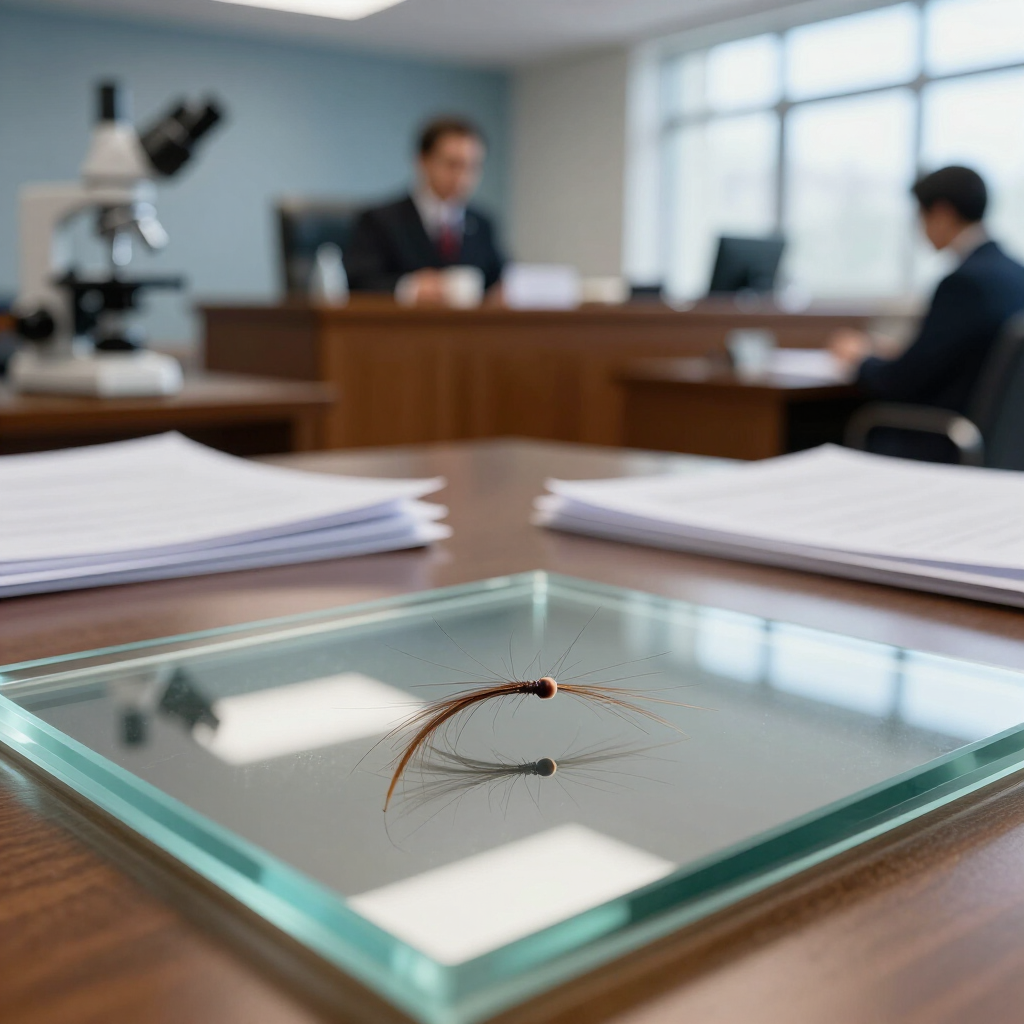
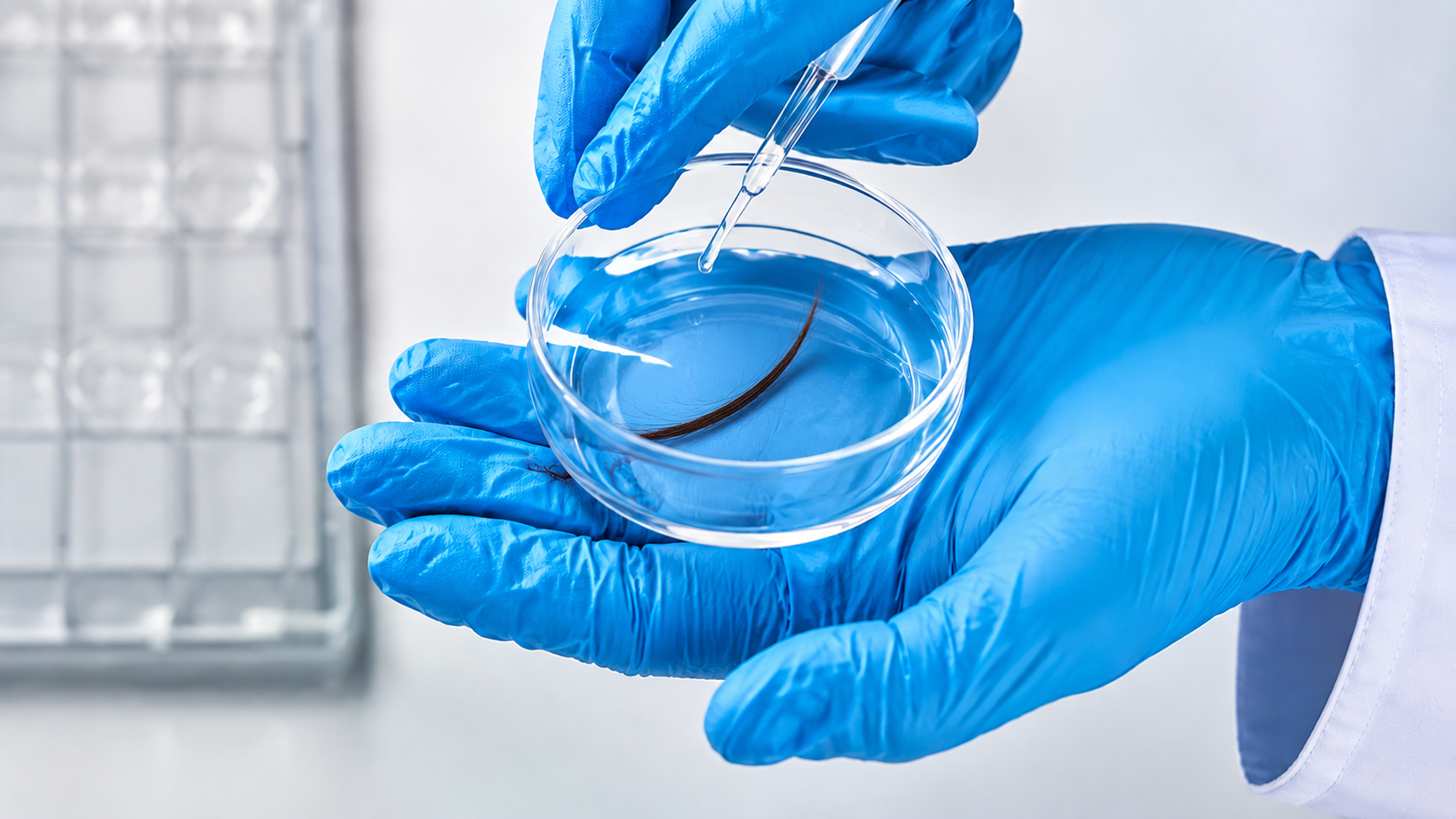
Hair Follicle Testing
Hair follicle testing provides a longer detection window.
Advantages include:
- Approximately 90 days of drug use history
- Difficult to tamper with
- Useful for evaluating long-term patterns of use
Hair testing is frequently requested when DHS needs a broader view of an individual's substance use history.
Alcohol Testing
Alcohol testing may be required when alcohol abuse concerns exist.
Testing options may include:
- Breath alcohol testing
- Urine alcohol testing
- Hair alcohol testing
These tests help assess alcohol consumption and compliance with case requirements.
Random Drug Testing Programs
Many DHS cases involve ongoing monitoring through random testing.
Random testing helps:
- Verify sobriety
- Encourage compliance
- Monitor treatment progress
- Support reunification plans
Participants may be required to report for testing on short notice and remain available throughout the monitoring period.
What Happens During a DHS Drug Test?
At Blue Water DRP LLC, all DHS-related testing follows professional collection and documentation procedures.
Step 1: Check-In
The individual presents valid identification and any paperwork provided by DHS or the court.
Step 2: Sample Collection
Depending on the test ordered, a sample may include:
- Urine
- Hair
- Breath alcohol sample
Collections are conducted professionally and respectfully.
Step 3: Chain of Custody Documentation
All samples are handled according to strict chain-of-custody procedures.
This process ensures:
- Accurate identification
- Secure specimen handling
- Legally defensible results
Step 4: Laboratory Analysis
Samples are analyzed by certified laboratories using established testing procedures.
Step 5: Results Reporting
Results are provided to authorized parties such as:
- DHS caseworkers
- Attorneys
- Courts
- Probation officers
- Designated agencies
Confidentiality is maintained throughout the process.
How Drug Test Results Affect DHS Cases
Drug testing is only one component of a larger evaluation.
Caseworkers and courts often consider:
- Test results
- Parenting history
- Home environment
- Participation in services
- Treatment efforts
- Overall child safety
Negative Test Results
Consistent negative results may support:
- Increased parenting time
- Progress toward reunification
- Reduced monitoring requirements
- Positive case reviews
Negative results help demonstrate compliance and commitment to maintaining a safe environment.
Positive Test Results
Positive results may lead to:
- Additional assessments
- Increased monitoring
- Substance abuse treatment recommendations
- More frequent testing
- Delays in reunification
However, a positive result does not automatically determine the outcome of a case.
Courts and caseworkers typically consider the entire situation before making decisions.
The Importance of Compliance
Individuals involved in DHS cases should carefully follow all testing requirements.
Compliance demonstrates:
- Accountability
- Responsibility
- Willingness to cooperate
- Commitment to child safety
Missing or refusing a required test may create concerns for caseworkers and courts.
Many agencies view missed tests similarly to positive tests because they prevent proper evaluation.
Can Prescription Medications Affect Results?
Yes.
Certain medications may appear during testing, including:
- Prescription pain medications
- ADHD medications
- Anti-anxiety medications
- Sleep medications
It is important to disclose legally prescribed medications when appropriate.
Documentation may be requested to verify legitimate use.
Proper review procedures help distinguish prescribed medications from unauthorized substance use.
How Parents Can Strengthen Their Case
Parents involved in DHS cases often ask what they can do to demonstrate progress.
Helpful steps may include:
Attend All Scheduled Tests
Consistency is extremely important.
Participate in Recommended Services
Complete:
- Counseling
- Parenting classes
- Treatment programs
- Recovery support programs
when recommended.
Maintain Open Communication
Stay in contact with:
- DHS caseworkers
- Attorneys
- Service providers
Keep Documentation
Maintain records of:
- Test results
- Treatment participation
- Counseling attendance
- Program completion certificates
Positive actions often demonstrate commitment to family reunification and child safety.
Frequently Asked Questions
Can DHS require me to take a drug test?
In many cases, testing may be requested as part of an investigation, court order, or service plan.
What happens if I refuse a DHS drug test?
Refusal may negatively affect the case and could be viewed similarly to non-compliance or a positive result.
How long does a DHS drug test take?
Collection typically takes only a short time, although laboratory processing times vary depending on the type of test.
Can DHS use hair follicle testing?
Yes. Hair testing is frequently used when a longer detection window is needed.
Will my results remain confidential?
Yes. Results are shared only with authorized individuals involved in the case.
Why Choose Blue Water DRP LLC for DHS Drug Testing?
Since 2009, Blue Water DRP LLC has provided trusted testing services throughout Michigan.
Clients choose us because we offer:
- Court-compliant procedures
- Confidential service
- Fast scheduling
- Professional staff
- Chain-of-custody documentation
- Hair follicle testing
- Alcohol testing
- Random testing programs
- Mobile testing options
We understand the sensitive nature of DHS-related cases and strive to provide respectful, accurate, and timely service.
Serving Families Throughout Michigan
Blue Water DRP LLC proudly serves:
- Port Huron
- Fort Gratiot
- Marysville
- St. Clair
- St. Clair County
- Communities throughout Michigan
Whether testing is needed for a DHS investigation, foster care case, reunification plan, or family court matter, our team is here to help.
Contact Blue Water DRP LLC
Blue Water DRP LLC
1824 Pine Grove Avenue
Port Huron, Michigan 48060
Business Hours
Monday through Friday: 6:00 AM – 6:00 PM
Saturday and Sunday: 6:00 AM – 9:00 AM
DOT Testing Hours
Monday through Friday: 6:00 AM – 3:00 PM
Excluding Holidays
Phone: (810) 966-0006
Email: bluewaterdrp@gmail.com
Blue Water DRP LLC proudly provides confidential and professional drug and alcohol testing services designed to support Michigan families, courts, DHS agencies, and legal professionals.