Small businesses are the backbone of Michigan's economy. From local contractors and manufacturers to retail stores, healthcare providers, transportation companies, and service businesses, small employers work hard to build strong teams and provide excellent service to their customers.
One challenge that many business owners face is maintaining a safe, productive, and professional workplace. Substance abuse can create significant risks for employees, customers, equipment, and company operations. Even a single incident involving drugs or alcohol can lead to workplace injuries, liability concerns, lost productivity, and damage to a company's reputation.
A well-designed drug-free workplace program helps small businesses address these risks while promoting employee health, accountability, and workplace safety.
At Blue Water DRP LLC, we have worked with Michigan employers since 2009 to develop and support drug-free workplace programs that fit businesses of all sizes. Whether you employ five people or fifty, implementing a structured program can provide long-term benefits for your organization.
What Is a Drug-Free Workplace Program?
A drug-free workplace program is a structured set of policies, procedures, and practices designed to reduce workplace substance abuse and promote a safe work environment.
While every company's program may look different, most include:
- A written drug and alcohol policy
- Employee education
- Supervisor training
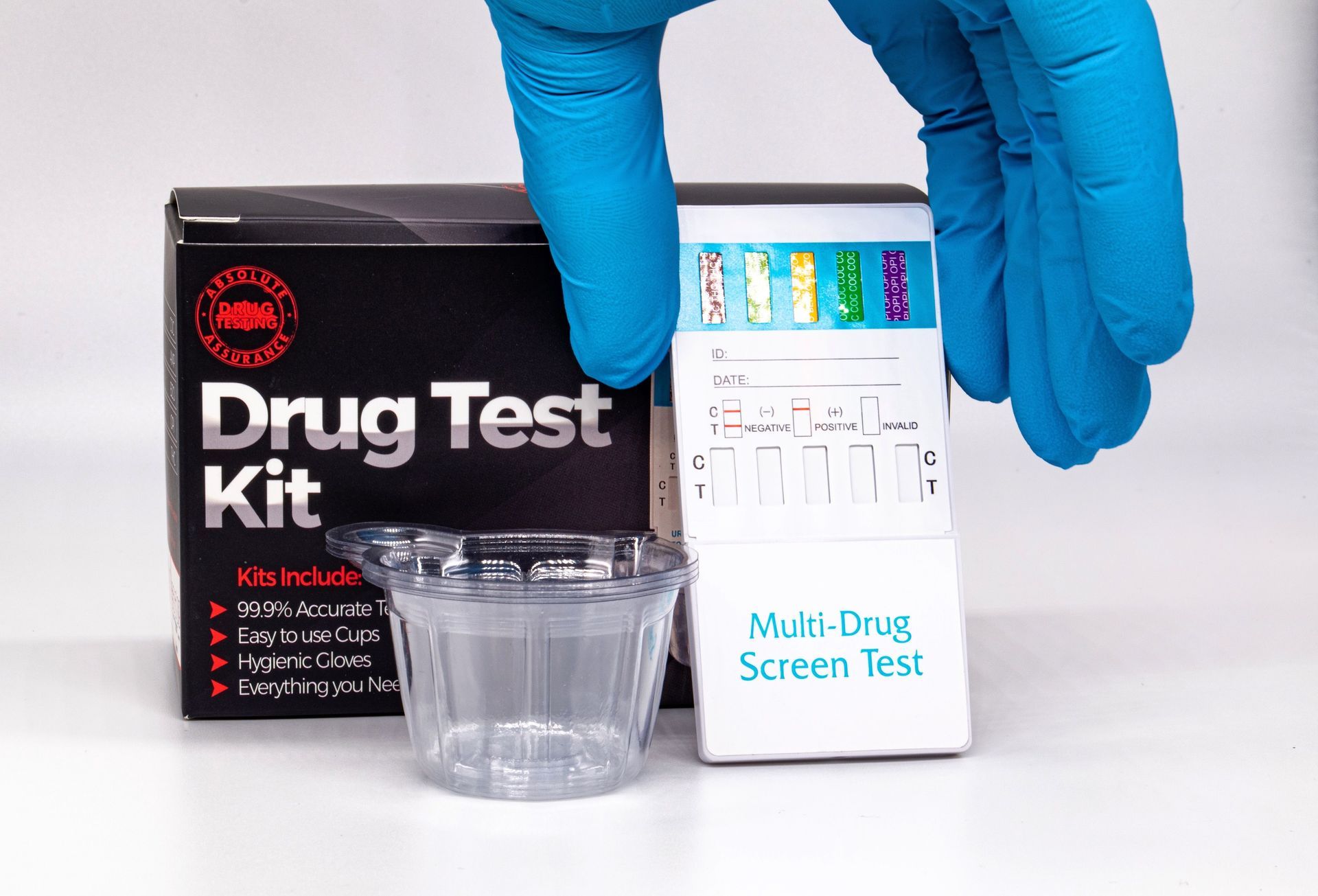
- Drug and alcohol testing
- Clear disciplinary procedures
- Support resources when appropriate
- Ongoing policy enforcement
The goal is not simply to identify employees who use drugs or alcohol. Instead, the objective is to create a culture of safety, responsibility, and professionalism.
For small businesses, a drug-free workplace program demonstrates a commitment to both employee well-being and operational excellence.
Why Drug-Free Workplace Programs Matter
Many small business owners assume substance abuse is only a concern for large corporations. In reality, small businesses often face greater risks because they typically have fewer employees and fewer resources available to absorb the impact of workplace incidents.
A single accident, injury, or impaired employee can significantly affect operations.
Drug-free workplace programs help address these risks proactively.
Improved Workplace Safety
One of the most important benefits of a drug-free workplace program is improved safety.
Substance impairment can affect:
- Judgment
- Concentration
- Reaction time
- Coordination
- Decision-making
Employees who are impaired may be more likely to:
- Cause accidents
- Ignore safety procedures
- Damage equipment
- Injure themselves or others
For businesses that involve driving, machinery, tools, or customer interactions, the consequences can be serious.
A strong workplace program helps reduce these risks and creates a safer environment for everyone.
Increased Productivity
Substance abuse can affect workplace performance in many ways.
Employees struggling with drugs or alcohol may experience:
- Reduced efficiency
- Missed deadlines
- Increased mistakes
- Poor attendance
- Lower motivation
- Decreased reliability
When businesses establish clear expectations and accountability measures, employees are more likely to remain focused and productive.
Improved productivity often translates directly into better customer service and stronger financial performance.
Reduced Absenteeism
Frequent absences can place additional strain on small businesses.
When one employee misses work unexpectedly, coworkers often must absorb additional responsibilities.
Drug-free workplace programs can help reduce:
- Unscheduled absences
- Tardiness
- Extended breaks
- Missed shifts
A more reliable workforce helps businesses operate smoothly and consistently.
Lower Workers' Compensation Costs
Workplace injuries often lead to significant expenses.
Medical costs, insurance claims, lost productivity, and legal expenses can quickly add up.
Research has consistently shown that substance abuse contributes to workplace accidents and injuries.
By reducing impairment-related incidents, drug-free workplace programs may help lower workers' compensation claims and associated costs.
Protection of Company Reputation
Customers expect professionalism and reliability.
An incident involving drugs or alcohol can damage trust and negatively affect a company's reputation within the community.
For small businesses that depend heavily on referrals and repeat customers, maintaining a positive reputation is critical.
A drug-free workplace program demonstrates a commitment to safety, responsibility, and quality service.
Industries That Benefit Most from Drug-Free Workplace Programs
Although every employer can benefit from a workplace policy, some industries face higher risks than others.
Examples include:
Construction
Construction employees often work with:
- Heavy equipment
- Power tools
- Elevated work areas
- Hazardous materials
Impairment can significantly increase the risk of injury.
Transportation
Commercial drivers and transportation workers must maintain high levels of alertness and responsibility.
Substance use can endanger:
- Drivers
- Passengers
- Other motorists
- The general public
Manufacturing
Manufacturing environments often involve machinery, production lines, and physical labor.
Drug-free workplace programs help reduce accidents and equipment damage.
Healthcare
Healthcare professionals are responsible for patient care and safety.
Impairment can affect judgment and increase the risk of medical errors.
Retail and Customer Service
Employees who interact directly with customers represent the company.
Professional conduct is essential to maintaining customer trust and satisfaction.
Key Components of an Effective Program
Written Drug and Alcohol Policy
A written policy serves as the foundation of a successful program.
The policy should clearly explain:
- Workplace expectations
- Prohibited behaviors
- Testing procedures
- Consequences for violations
- Employee responsibilities
Employees should receive a copy of the policy and acknowledge their understanding.
Employee Education
Education helps employees understand:
- Workplace expectations
- Safety concerns
- Health risks associated with substance abuse
- Available resources
Regular communication reinforces the importance of maintaining a drug-free workplace.
Supervisor Training
Supervisors play an important role in identifying potential impairment.
Training should cover:
- Signs of substance abuse
- Documentation procedures
- Reasonable suspicion testing
- Policy enforcement
Well-trained supervisors help ensure consistent and fair application of workplace policies.
Drug and Alcohol Testing
Testing programs may include:
Pre-Employment Testing
Helps employers screen applicants before hiring.
Random Testing
Acts as a deterrent and supports ongoing compliance.
Post-Accident Testing
Provides important information following workplace incidents.
Reasonable Suspicion Testing
Allows employers to respond when signs of impairment are observed.
Return-to-Duty Testing
Used when employees return to work after a policy violation or treatment program.
How Small Businesses Can Get Started
Many business owners assume implementing a workplace program is complicated.
In reality, the process can be straightforward when working with an experienced testing provider.
Steps may include:
- Assessing workplace risks
- Developing a written policy
- Determining testing requirements
- Training supervisors
- Educating employees
- Establishing testing procedures
- Reviewing and updating policies regularly
Blue Water DRP LLC helps employers throughout Michigan create customized programs that fit their specific industry and workforce.
Frequently Asked Questions
Can small businesses legally require drug testing in Michigan?
Yes. Employers may implement drug testing policies when applied consistently and supported by a written program.
Do all employees need to be tested?
Not necessarily. Employers may focus on safety-sensitive positions or establish company-wide testing programs depending on business needs.
What types of drug tests are available?
Common options include:
- Urine testing
- Hair follicle testing
- Breath alcohol testing
- Observed collections when required
Can a small company implement random testing?
Yes. Random testing programs can be tailored for businesses of any size.
How often should policies be reviewed?
Employers should review policies periodically to ensure compliance with current laws and workplace needs.
Why Choose Blue Water DRP LLC?
Since 2009, Blue Water DRP LLC has helped employers throughout Michigan establish effective workplace testing programs.
We provide:
- Pre-employment testing
- Random testing programs
- Post-accident testing
- Reasonable suspicion testing
- DOT-compliant testing
- Hair follicle testing
- Alcohol testing
- Mobile testing services
- Workplace program support
As a family-owned and operated business, we understand the challenges facing small employers and work closely with clients to develop practical solutions.
Supporting Businesses Throughout Michigan
Our Port Huron facility serves employers throughout:
- Port Huron
- Fort Gratiot
- Marysville
- St. Clair
- St. Clair County
- All of Michigan
Whether you operate a local business or manage multiple locations, we can help you establish a workplace program that supports safety, compliance, and productivity.
Contact Blue Water DRP LLC
Blue Water DRP LLC
1824 Pine Grove Avenue
Port Huron, Michigan 48060
Business Hours
Monday through Friday: 6:00 AM – 6:00 PM
Saturday and Sunday: 6:00 AM – 9:00 AM
DOT Testing Hours
Monday through Friday: 6:00 AM – 3:00 PM
Excluding Holidays
Phone: (810) 966-0006
Email: bluewaterdrp@gmail.com
Blue Water DRP LLC proudly provides professional drug and alcohol testing services that help Michigan employers create safer, more productive workplaces through effective drug-free workplace programs.