When drug testing is required for legal matters, courts need reliable information that helps them make informed decisions. Whether the case involves child custody, foster care, probation, family law disputes, or other legal proceedings, judges and attorneys often require testing methods that provide a comprehensive picture of an individual's substance use history.
One of the most trusted testing methods used in court-related cases is hair follicle drug testing. Unlike urine testing, which generally identifies recent drug use, hair follicle testing can reveal patterns of substance use over an extended period of time. This longer detection window makes it especially valuable when courts need to evaluate ongoing behavior rather than isolated incidents.
At Blue Water DRP LLC, we provide professional hair follicle drug testing services for individuals, attorneys, courts, employers, and government agencies throughout Michigan. Since 2009, we have helped clients obtain accurate, confidential, and court-compliant testing results when they matter most.
What Is Hair Follicle Drug Testing?
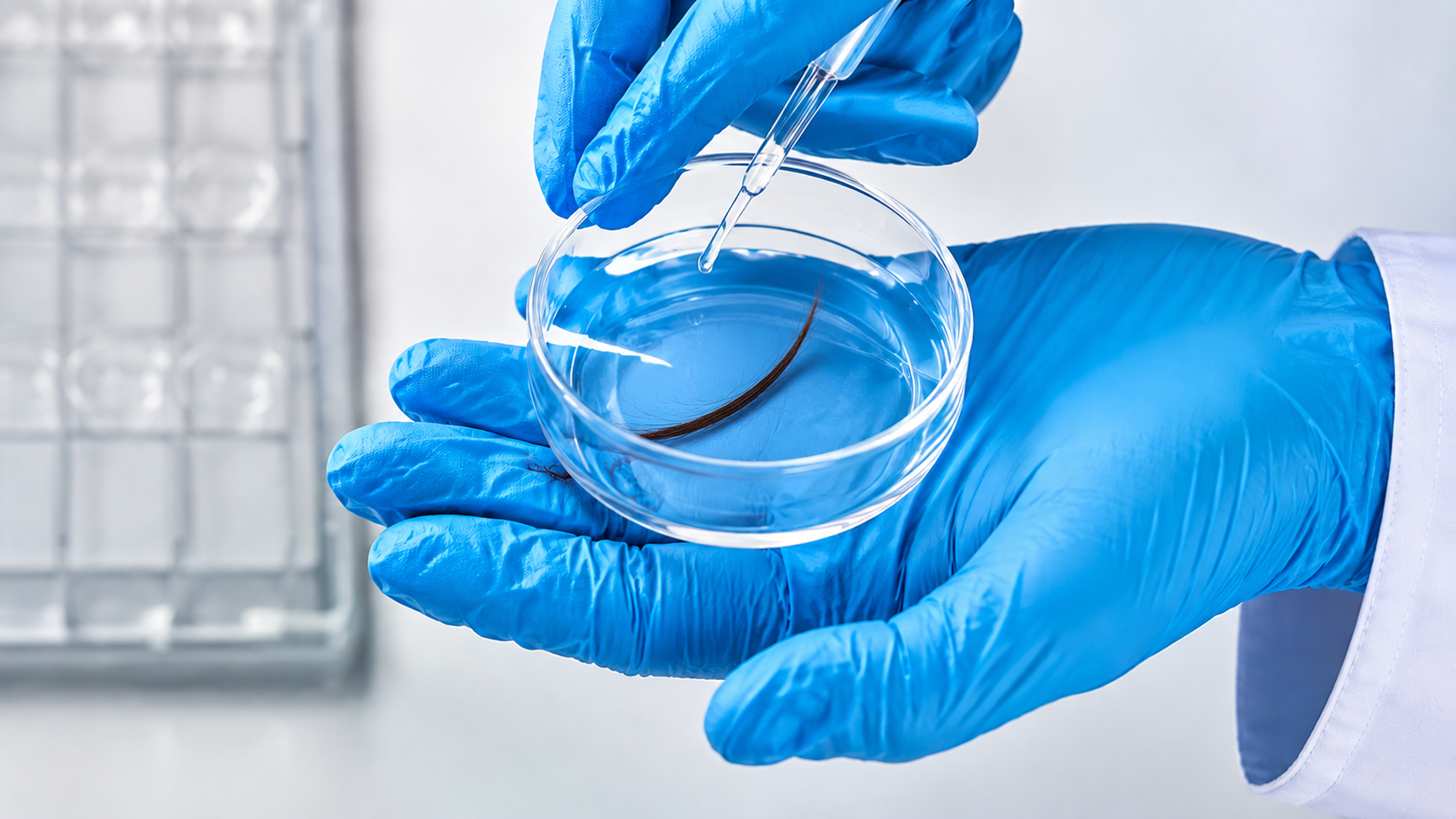
Hair follicle drug testing analyzes a small sample of hair to detect the presence of drug metabolites. When a person uses drugs, chemical traces enter the bloodstream and are deposited into the hair follicles as the hair grows.
These metabolites become trapped within the hair shaft and remain detectable for a significantly longer period than many other testing methods.
A standard hair follicle drug test typically uses approximately 1.5 inches of hair collected near the scalp. Since hair grows at an average rate of about half an inch per month, this sample can provide a history of substance use spanning approximately 90 days.
This extended detection period makes hair testing particularly useful in legal situations where long-term patterns of behavior are important.
Why Courts Often Prefer Hair Follicle Testing
Family courts, child welfare agencies, attorneys, and judges frequently request hair follicle testing because it offers several advantages over other testing methods.
Longer Detection Window
One of the biggest reasons courts prefer hair testing is the extended detection period.
While urine testing generally detects drug use occurring within days or weeks, hair testing can identify substance use over a period of approximately three months.
This broader view helps courts evaluate:
- Ongoing substance use
- Long-term sobriety efforts
- Compliance with court orders
- Patterns of behavior
- Recovery progress
When making decisions that affect children, families, or public safety, courts often want more than a snapshot of recent activity.
Difficult to Tamper With
Hair testing is significantly harder to manipulate than some other testing methods.
Attempts to alter results through:
- Excessive water consumption
- Detox products
- Sample substitution
- Adulterants
are generally ineffective with hair testing.
Because the metabolites are embedded within the hair shaft, external efforts to remove evidence of drug use are unlikely to affect laboratory results.
This increased reliability makes hair testing attractive in legal proceedings where accurate information is critical.
Provides a More Complete Substance Use History
Urine testing identifies recent drug use, but courts often need to understand whether substance use has been ongoing over time.
Hair testing can help determine:
- Whether drug use was isolated or repeated
- Whether sobriety has been maintained
- Whether treatment efforts appear successful
- Whether a parent or individual has demonstrated long-term compliance
This information can be valuable when evaluating parental fitness, probation compliance, or reunification efforts.
Common Court Cases That Use Hair Follicle Testing
Hair follicle testing is frequently used in a variety of legal situations.
Child Custody Cases
When substance abuse concerns arise during custody disputes, courts may order hair testing to evaluate a parent's drug use history.
Judges often consider:
- Child safety
- Household stability
- Parenting capacity
- Compliance with court orders
Hair testing provides objective information that may help guide custody and visitation decisions.
Foster Care and DHS Cases
Michigan's Department of Health and Human Services may request hair testing during:
- Child welfare investigations
- Foster care evaluations
- Reunification plans
- Protective services cases
Long-term testing data can help caseworkers assess risk factors and monitor compliance.
Probation and Court Supervision
Individuals under court supervision may be required to undergo hair follicle testing as part of:
- Probation programs
- Drug court participation
- Diversion programs
- Compliance monitoring
Hair testing provides a broader view of substance use than periodic urine testing alone.
Family Law Cases
Family law attorneys may request hair testing during disputes involving:
- Parenting time
- Guardianship
- Adoption proceedings
- Family court evaluations
Reliable drug testing helps courts make informed decisions regarding family matters.
What Drugs Can Hair Follicle Testing Detect?
Hair testing can identify a wide range of substances.
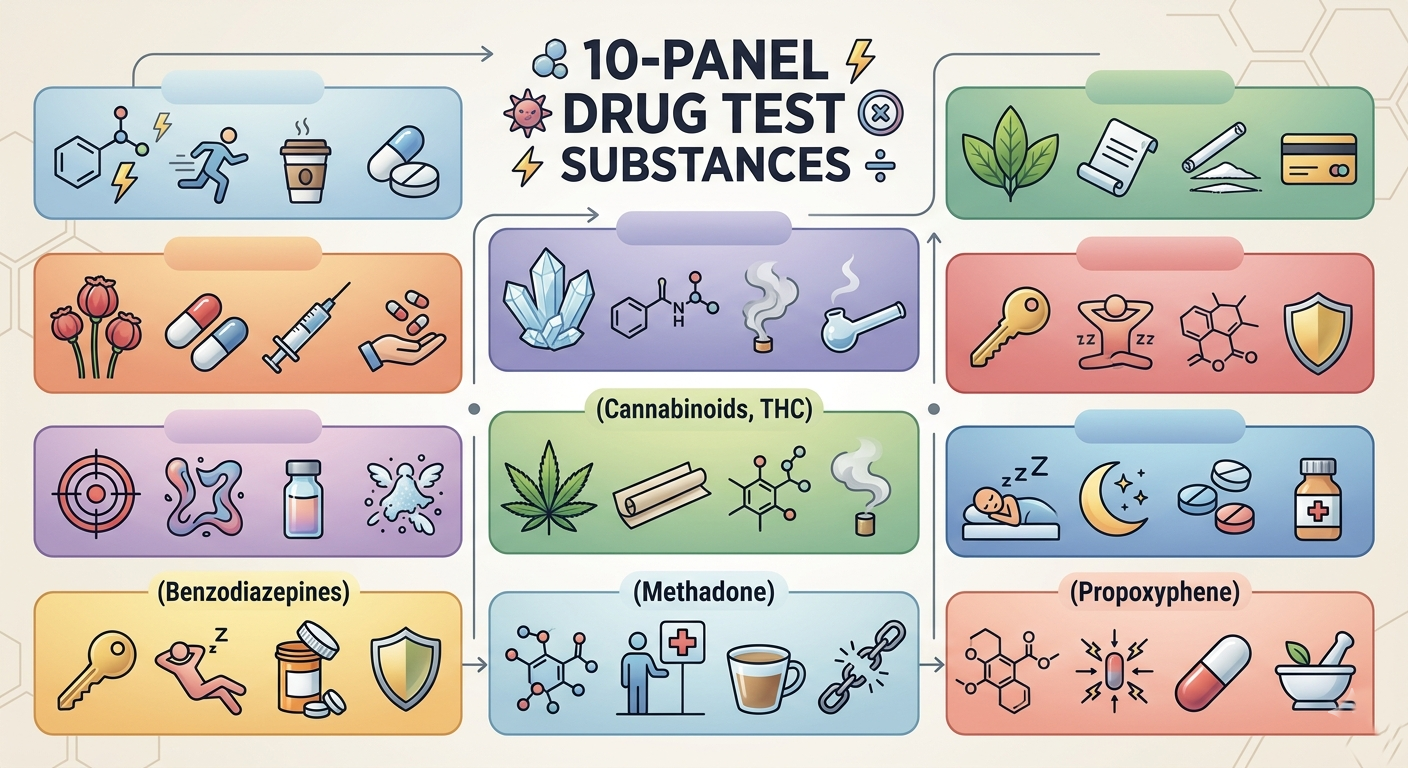
Common drug panels include:
- Marijuana (THC)
- Cocaine
- Opiates
- Heroin
- Morphine
- Codeine
- Amphetamines
- Methamphetamine
- PCP
- Ecstasy (MDMA)
Expanded testing panels may include additional substances depending on court or employer requirements.
The specific panel selected often depends on the circumstances of the case and the concerns being investigated.
How the Hair Follicle Testing Process Works
At Blue Water DRP LLC, we follow strict collection and chain-of-custody procedures to ensure testing integrity.
Step 1: Identification Verification
The donor presents valid photo identification.
Court orders or referral documents may also be reviewed.
Step 2: Sample Collection
A trained collector obtains a small sample of hair from the scalp.
The amount collected is typically unnoticeable and does not affect appearance.
Step 3: Chain of Custody Documentation
All samples are documented and secured using strict chain-of-custody procedures.
This documentation helps ensure legal defensibility.
Step 4: Laboratory Analysis
The sample is sent to a certified laboratory for testing and confirmation procedures.
Step 5: Results Reporting
Results are delivered securely to authorized parties such as:
- Attorneys
- Courts
- DHS caseworkers
- Probation officers
- Employers
Can Hair Dye or Shampoo Affect Results?
This is one of the most common questions regarding hair testing.
Modern laboratory procedures are designed to identify drug metabolites located within the hair shaft itself.
As a result:
- Hair dye
- Bleaching
- Shampoo
- Hair products
are generally not effective in removing evidence of drug use.
Laboratories also perform washing procedures prior to analysis to eliminate potential environmental contamination.
What If Someone Has Very Little Hair?
Individuals with limited scalp hair may still be eligible for testing.
Alternative collection sites may include:
- Chest hair
- Arm hair
- Leg hair
- Underarm hair
Collection methods depend on laboratory requirements and available hair length.
A trained collector can determine the most appropriate collection option.
Advantages of Hair Testing Compared to Urine Testing
Both testing methods have important roles, but hair testing offers unique benefits in legal settings.
Hair Follicle Testing Advantages:
- Approximately 90-day detection window
- Difficult to tamper with
- Useful for identifying long-term patterns
- Highly respected in court settings
- Effective for monitoring recovery progress
Urine Testing Advantages:
- Detects recent use
- Faster turnaround in some cases
- Lower cost
- Common for routine monitoring
In many legal situations, courts may use both testing methods together to obtain a complete picture.
Frequently Asked Questions
How far back does a hair follicle test go?
Most standard tests provide approximately 90 days of drug use history.
Can a single use of a drug appear on a hair test?
Potentially yes, depending on timing, dosage, and laboratory sensitivity.
Is hair follicle testing accepted in Michigan courts?
Yes. Hair testing is commonly used in family courts, DHS cases, probation programs, and other legal proceedings.
How long does it take to receive results?
Results are typically available within several business days, depending on laboratory processing times.
Can hair testing detect alcohol use?
Specialized hair testing can evaluate long-term alcohol consumption in certain situations.
Why Choose Blue Water DRP LLC for Court-Ordered Hair Testing?
Since 2009, Blue Water DRP LLC has provided professional testing services for individuals and organizations throughout Michigan.
Clients choose us because we offer:
- Court-compliant procedures
- Strict chain-of-custody documentation
- Fast and confidential service
- Experienced collection professionals
- Accurate laboratory testing
- Flexible scheduling
- Mobile testing options in some cases
We understand that legal matters are often stressful and time-sensitive. Our team is committed to providing respectful, professional service throughout the testing process.
Serving Port Huron and All of Michigan
Blue Water DRP LLC proudly serves:
- Port Huron
- Fort Gratiot
- Marysville
- St. Clair
- St. Clair County
- Communities throughout Michigan
Whether testing is required for a custody case, DHS investigation, probation program, or other legal matter, we are here to help.
Contact Blue Water DRP LLC
Blue Water DRP LLC
1824 Pine Grove Avenue
Port Huron, Michigan 48060
Business Hours
Monday through Friday: 6:00 AM – 6:00 PM
Saturday and Sunday: 6:00 AM – 9:00 AM
DOT Testing Hours
Monday through Friday: 6:00 AM – 3:00 PM
Excluding Holidays
Phone: (810) 966-0006
Email: bluewaterdrp@gmail.com
Blue Water DRP LLC provides trusted hair follicle drug testing services designed to support Michigan courts, attorneys, agencies, employers, and families with reliable results and professional care.